
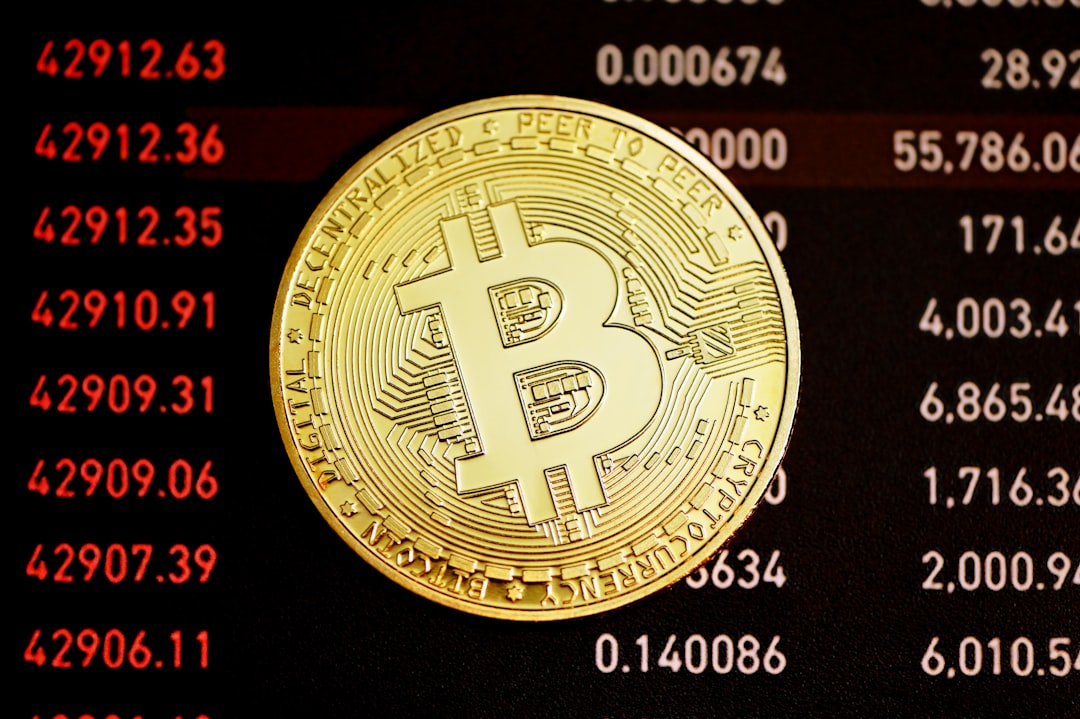
What Are Virtual Asset Providers?
Virtual Asset Providers (VAPs) are entities that facilitate the exchange, storage, or management of digital currencies and cryptocurrencies. These providers include cryptocurrency exchanges, wallet services, and other platforms that handle virtual assets on behalf of users. As the cryptocurrency ecosystem continues to expand, understanding the role of VAPs becomes crucial for anyone interested in digital finance and privacy.
The Role of Virtual Asset Providers in Cryptocurrency Privacy
When it comes to cryptocurrency privacy, VAPs play a pivotal role. They act as intermediaries between users and the blockchain network, handling transactions and storing digital assets. However, this intermediary position raises important questions about data privacy and security. Many VAPs collect personal information for Know Your Customer (KYC) compliance, which can potentially compromise user anonymity. Understanding how your chosen VAP handles your data is essential for maintaining privacy in the crypto space.
Types of Virtual Asset Providers and Their Privacy Implications
There are several types of VAPs, each with different privacy implications. Centralized exchanges like Coinbase or Binance require extensive personal information and maintain control over your assets. Decentralized exchanges (DEXs) offer more privacy by allowing peer-to-peer transactions without intermediaries. Crypto wallet providers range from custodial services that hold your private keys to non-custodial wallets where you maintain full control. Privacy-focused VAPs, such as those offering coin mixing or privacy coins, provide additional layers of anonymity but may face regulatory scrutiny.
Choosing a Privacy-Conscious Virtual Asset Provider
When selecting a VAP, consider their privacy policies, security measures, and regulatory compliance. Look for providers that offer two-factor authentication, cold storage options, and transparent data handling practices. Some users prioritize complete anonymity and opt for decentralized platforms, while others prefer the convenience and customer support of established centralized providers. It's important to weigh the trade-offs between privacy, security, and usability based on your specific needs and risk tolerance.
Practical Tips for Maintaining Privacy with Virtual Asset Providers
- Use a unique email address and phone number for crypto-related accounts to compartmentalize your digital footprint
- Enable all available security features, including two-factor authentication and withdrawal whitelists
- Consider using a VPN when accessing VAP platforms to mask your IP address
- Regularly update your software and use hardware wallets for long-term storage of significant assets
- Research the jurisdiction and regulatory status of your chosen VAP to understand potential privacy implications
- Be cautious about sharing wallet addresses publicly, as blockchain transactions are permanently recorded and visible
Conclusion
Virtual Asset Providers are essential components of the cryptocurrency ecosystem, but they come with important privacy considerations. By understanding the different types of VAPs, their privacy implications, and how to choose a provider that aligns with your privacy needs, you can make informed decisions about managing your digital assets. Remember that true financial privacy in the crypto space requires a combination of careful provider selection, good security practices, and ongoing vigilance. As the regulatory landscape evolves, staying informed about changes that might affect your privacy rights with VAPs will help you navigate the complex world of virtual assets more confidently.