
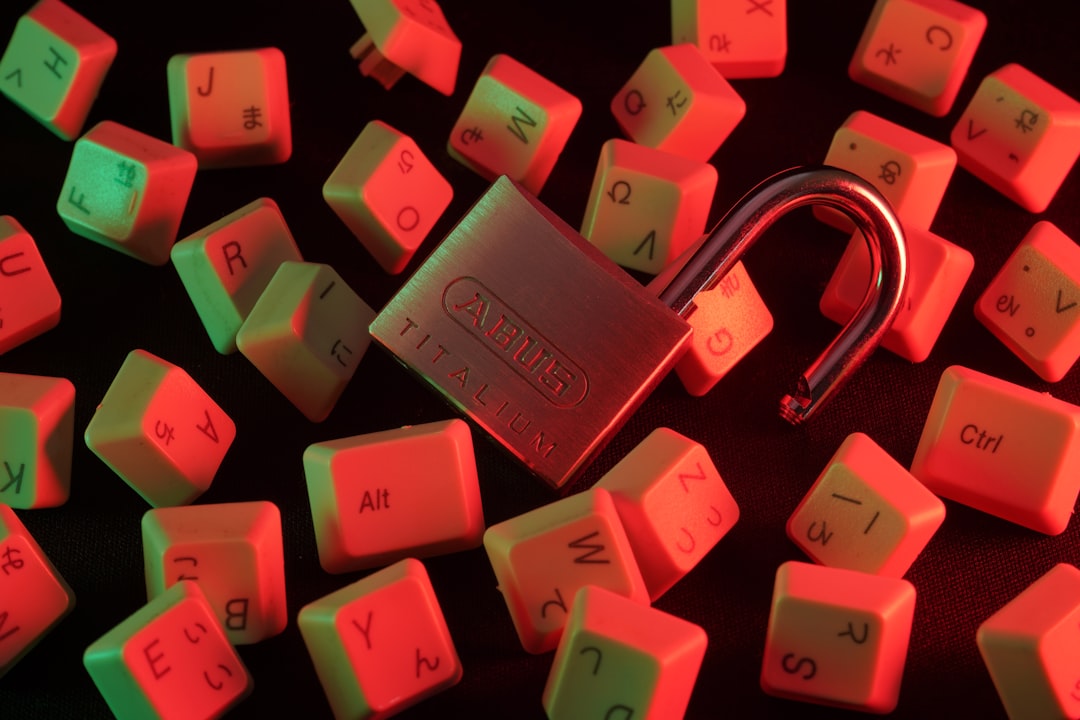
Two-factor authentication (2FA) has become a critical security measure for cryptocurrency users in an era where digital assets are increasingly targeted by hackers and cybercriminals. As the value of cryptocurrencies continues to rise, protecting your digital wallet and exchange accounts through robust authentication methods is no longer optional—it's essential.
Understanding Two-Factor Authentication in Crypto
Two-factor authentication adds an extra layer of security beyond just a password. When you enable 2FA, you'll need to provide two different forms of identification before accessing your account. Typically, this involves something you know (your password) and something you have (a mobile device or security key). For cryptocurrency users, this means that even if someone obtains your password, they still can't access your funds without the second authentication factor.
The most common 2FA methods include authenticator apps like Google Authenticator or Authy, which generate time-based one-time passwords (TOTP), SMS codes sent to your mobile phone, and hardware security keys like YubiKey. Each method has its strengths and weaknesses, with hardware keys generally offering the highest level of security since they're immune to phishing attacks and SIM swapping.
Why 2FA is Critical for Cryptocurrency Security
Cryptocurrency exchanges and wallets have become prime targets for hackers due to the irreversible nature of blockchain transactions. Unlike traditional banking, where fraudulent transactions can often be reversed, cryptocurrency transactions are permanent once confirmed. This makes 2FA particularly crucial in the crypto space.
Without 2FA, your account is protected only by a password, which can be compromised through various means including data breaches, phishing attacks, or malware. With 2FA enabled, even if your password is stolen, the attacker would still need access to your second factor to complete any transaction or account changes. This significantly reduces the risk of unauthorized access and potential financial loss.
Best Practices for Implementing 2FA in Crypto
When setting up 2FA for your cryptocurrency accounts, start by enabling it on all platforms that support it, including exchanges, wallets, and any related services. Prioritize hardware security keys for maximum protection, especially for high-value accounts. If hardware keys aren't feasible, authenticator apps provide a good balance of security and convenience.
Always keep backup codes in a secure location, as they're essential if you lose access to your primary 2FA method. Consider using a password manager to store these codes securely. Additionally, regularly review your account activity and be cautious of phishing attempts that try to trick you into revealing your 2FA codes. Remember that legitimate services will never ask for your 2FA code outside of the normal login process.
Common 2FA Mistakes to Avoid
One of the most common mistakes is using SMS-based 2FA exclusively, as it's vulnerable to SIM swapping attacks where hackers convince your mobile carrier to transfer your number to their device. Another mistake is not having backup methods available, which can lock you out of your accounts if you lose your phone or security key. Some users also make the error of not enabling 2FA on all their crypto-related accounts, leaving gaps in their security.
Additionally, avoid storing backup codes in easily accessible locations like your email or cloud storage, as these can be compromised. Don't share your 2FA codes with anyone, and be wary of any service that asks for these codes outside of the standard authentication process. Finally, regularly update your 2FA methods and review your security settings to ensure they remain effective against evolving threats.
Practical Tips for Enhanced Crypto Security
- Use hardware security keys whenever possible for the highest level of protection
- Enable 2FA on all cryptocurrency-related accounts, including exchanges and wallets
- Store backup codes in a secure, offline location such as a safe or safety deposit box
- Regularly update your 2FA methods and review account activity
- Be cautious of phishing attempts and never share your 2FA codes
- Consider using a password manager to generate and store complex passwords
- Keep your mobile operating system and authenticator apps updated
- Educate yourself about common cryptocurrency scams and security threats
Conclusion
Two-factor authentication is a fundamental security measure that every cryptocurrency user should implement. While it may seem like an inconvenience at first, the protection it provides against unauthorized access and potential financial loss far outweighs any minor inconvenience. By understanding the different 2FA methods available, following best practices, and avoiding common mistakes, you can significantly enhance the security of your digital assets.
Remember that in the world of cryptocurrency, you are your own bank, and with that responsibility comes the need for robust security measures. Take the time to properly set up and maintain your 2FA across all your crypto accounts, and you'll be well on your way to protecting your investments in this exciting but sometimes volatile digital asset space.