
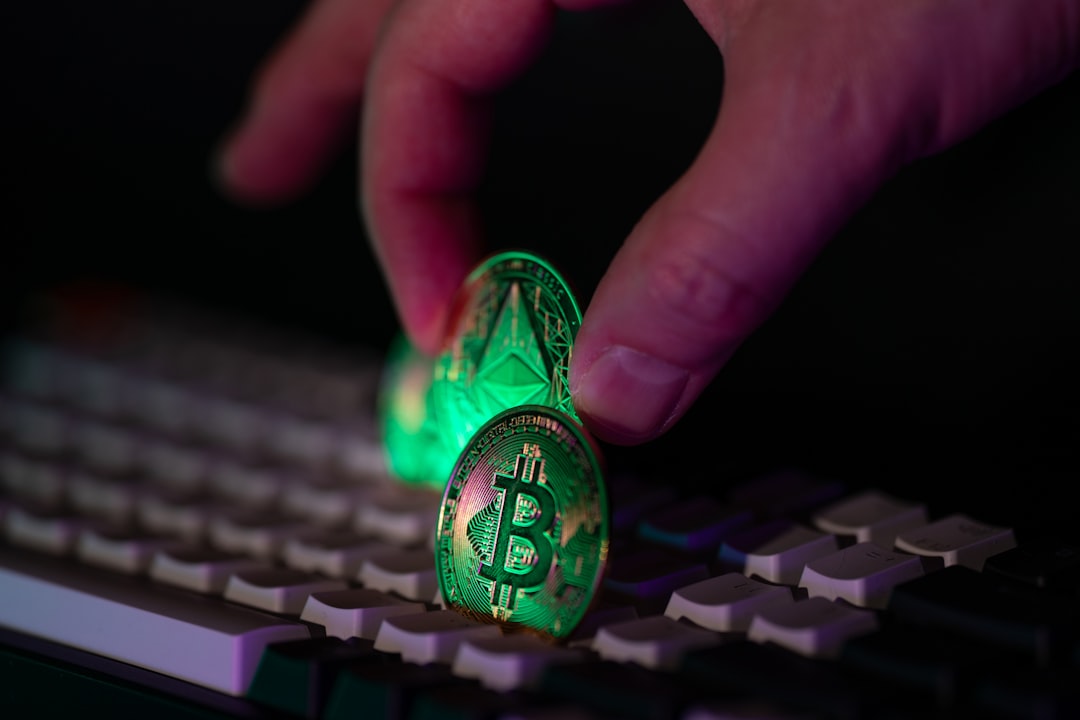
In the rapidly evolving world of cryptocurrency, privacy has become a paramount concern for many investors and traders. As mainstream exchanges face increasing scrutiny and regulatory pressure, private cryptocurrency exchanges have emerged as a compelling alternative for those seeking enhanced confidentiality and control over their digital assets. This comprehensive guide explores the intricacies of private crypto exchanges, their benefits, potential risks, and how to navigate this specialized segment of the cryptocurrency market.
What Are Private Cryptocurrency Exchanges?
Private cryptocurrency exchanges are specialized trading platforms that prioritize user privacy and confidentiality above all else. Unlike traditional exchanges that require extensive personal information and identity verification, these platforms operate with minimal data collection, allowing users to trade cryptocurrencies with greater anonymity. They typically employ advanced encryption technologies, decentralized architectures, and strict privacy protocols to protect user information and transaction details.
These exchanges cater to a specific demographic of cryptocurrency enthusiasts who value financial privacy and wish to minimize their digital footprint. They often operate on a peer-to-peer basis or through decentralized networks, reducing the need for centralized control and potential data breaches. By limiting the amount of personal information required, private exchanges offer a level of discretion that appeals to privacy-conscious traders and investors.
Benefits of Using Private Exchanges
The primary advantage of private cryptocurrency exchanges is the enhanced privacy they provide. Users can conduct transactions without revealing their identity, reducing the risk of personal data exposure and potential targeting by malicious actors. This level of anonymity is particularly appealing in regions with strict financial regulations or for individuals who prefer to keep their financial activities confidential.
Another significant benefit is the reduced risk of hacks and data breaches. Since private exchanges collect minimal user information, there's less valuable data for cybercriminals to target. Additionally, many private exchanges utilize decentralized technologies, which distribute data across multiple nodes, making it more challenging for hackers to compromise the entire system. This decentralized approach also enhances the platform's resilience against outages and technical issues that might affect centralized exchanges.
Potential Risks and Considerations
While private cryptocurrency exchanges offer enhanced privacy, they also come with certain risks and considerations. The lack of regulatory oversight means that users have limited recourse if something goes wrong, such as funds being lost or the platform shutting down unexpectedly. Additionally, the anonymity provided by these exchanges can sometimes attract illicit activities, potentially leading to increased scrutiny from law enforcement agencies.
Another consideration is the potential for reduced liquidity and trading volume compared to mainstream exchanges. Private exchanges may have fewer users and trading pairs available, which could impact the ease of executing large trades or finding specific cryptocurrency pairs. Users should also be aware that the enhanced privacy features might come with higher transaction fees or more complex user interfaces, requiring a steeper learning curve for those new to cryptocurrency trading.
How to Choose a Reliable Private Exchange
When selecting a private cryptocurrency exchange, it's crucial to conduct thorough research and due diligence. Look for platforms with a proven track record of security and reliability, even if they don't require extensive personal information. Check for features such as two-factor authentication, cold storage for funds, and transparent fee structures. It's also advisable to read user reviews and seek recommendations from trusted sources within the cryptocurrency community.
Consider the range of cryptocurrencies offered, the quality of customer support, and the platform's user interface. Some private exchanges may offer additional features like built-in wallets or integration with hardware wallets for enhanced security. Pay attention to the exchange's terms of service and any potential limitations on withdrawals or trading volumes. Remember that while privacy is a priority, it shouldn't come at the cost of basic security measures and platform stability.
Best Practices for Using Private Exchanges
- Always use a secure, private internet connection when accessing the exchange
- Enable all available security features, such as two-factor authentication
- Regularly update your passwords and use a password manager
- Consider using a dedicated device or virtual machine for cryptocurrency transactions
- Keep your operating system and antivirus software up to date
- Be cautious of phishing attempts and only use official exchange websites and apps
- Consider using a VPN for an additional layer of privacy
- Regularly review your transaction history and account activity
- Keep your private keys and recovery phrases in a secure, offline location
- Start with small transactions to test the platform before committing larger amounts
The Future of Private Cryptocurrency Exchanges
As the cryptocurrency landscape continues to evolve, private exchanges are likely to play an increasingly important role in the market. With growing concerns about data privacy and financial surveillance, these platforms offer a compelling alternative for those seeking greater control over their digital assets. However, they must also navigate the complex regulatory environment and balance privacy features with necessary security measures.
The future may see the emergence of more sophisticated private exchange models that incorporate advanced privacy technologies like zero-knowledge proofs and confidential transactions. These innovations could provide even stronger privacy guarantees while maintaining the integrity and security of the trading platform. As the technology matures, we may also see increased integration between private exchanges and decentralized finance (DeFi) protocols, creating new opportunities for privacy-focused financial services.
Ultimately, private cryptocurrency exchanges represent a crucial component of the broader cryptocurrency ecosystem, offering users a choice between transparency and privacy. As with any financial decision, it's essential to weigh the benefits against the potential risks and to stay informed about the latest developments in this rapidly changing field. By understanding the nuances of private exchanges and following best practices, users can make informed decisions about their cryptocurrency trading and investment strategies.