
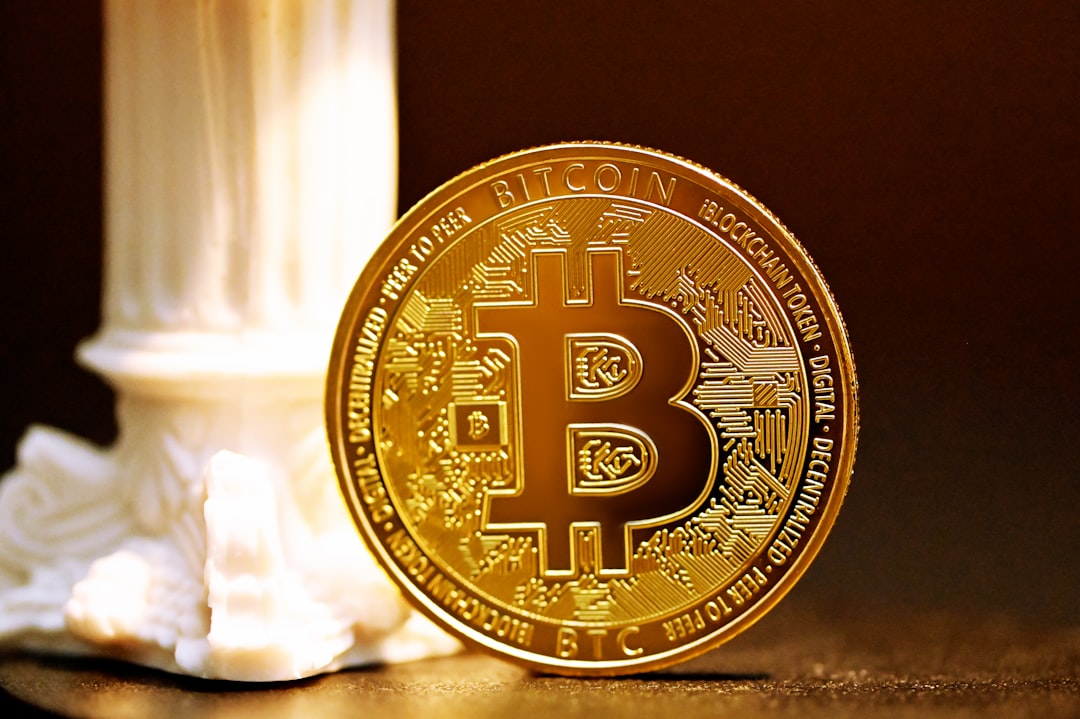
In the ever-evolving world of cryptocurrency, privacy and control over one's assets have become paramount concerns for many users. Enter decentralized swap services, a revolutionary approach to exchanging digital assets that promises enhanced security, privacy, and autonomy. This article delves into the world of decentralized swap services, exploring their benefits, how they work, and why they're gaining traction in the crypto community.
What Are Decentralized Swap Services?
Decentralized swap services, also known as decentralized exchanges (DEXs) or atomic swaps, are platforms that allow users to exchange cryptocurrencies directly with one another without the need for intermediaries. Unlike traditional centralized exchanges, these services operate on blockchain technology, enabling peer-to-peer transactions that are trustless and transparent.
The Advantages of Going Decentralized
The primary appeal of decentralized swap services lies in their ability to offer users greater control over their assets. By eliminating the need for a central authority, these platforms reduce the risk of hacks, fraud, and mismanagement that have plagued centralized exchanges in the past. Additionally, decentralized swaps often provide enhanced privacy, as users don't need to submit personal information or go through lengthy verification processes.
How Decentralized Swap Services Work
At the core of decentralized swap services is smart contract technology. These self-executing contracts automatically facilitate, verify, or enforce the negotiation or performance of an exchange. When two parties agree to swap cryptocurrencies, a smart contract is created to hold the funds until both sides fulfill their obligations. Once the conditions are met, the swap is executed, and the assets are transferred directly between the parties' wallets.
Popular Decentralized Swap Platforms
The market for decentralized swap services has grown rapidly, with several platforms emerging as leaders in the space. Some notable examples include Uniswap, SushiSwap, and PancakeSwap. These platforms offer a range of features, including liquidity pools, yield farming, and governance tokens, providing users with diverse options for managing and growing their crypto portfolios.
Practical Tips for Using Decentralized Swap Services
- Always double-check the contract address before initiating a swap to avoid scams.
- Start with small transactions to familiarize yourself with the process and minimize potential losses.
- Be aware of gas fees, which can fluctuate significantly depending on network congestion.
- Consider using a hardware wallet for added security when interacting with decentralized platforms.
- Stay informed about the latest developments and security practices in the DeFi space.
The Future of Decentralized Swap Services
As the cryptocurrency ecosystem continues to mature, decentralized swap services are likely to play an increasingly important role. With ongoing improvements in scalability, user experience, and cross-chain compatibility, these platforms have the potential to become the go-to method for crypto exchanges. Moreover, as regulatory scrutiny of centralized exchanges intensifies, decentralized alternatives may offer a viable path for users seeking to maintain their financial privacy and autonomy.
In conclusion, decentralized swap services represent a significant step forward in the quest for a more open, secure, and user-centric financial system. By empowering individuals to take control of their digital assets and exchange them freely, these platforms are helping to shape the future of finance. As with any emerging technology, it's crucial for users to educate themselves, exercise caution, and stay informed about the latest developments in this exciting and rapidly evolving space.