
Introduction
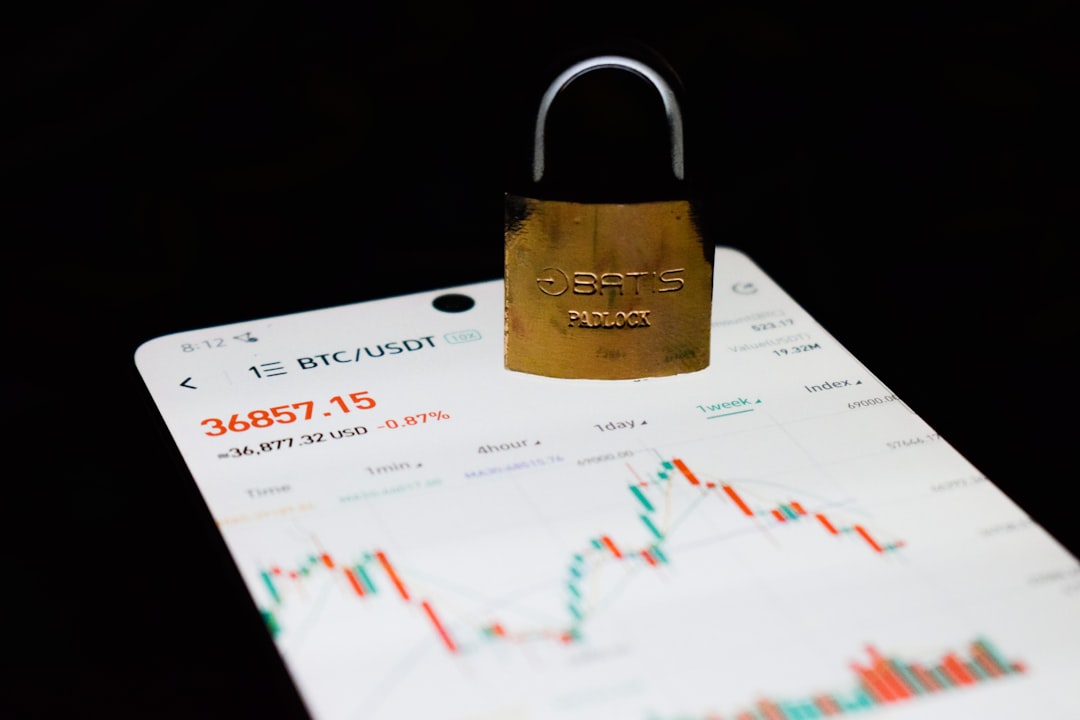
Blockchain technology has revolutionized the way we think about data integrity and transparency. However, as cryptocurrencies gain popularity, concerns about privacy and security have become paramount. Statistical analysis of blockchain data offers a powerful tool to understand and enhance privacy in the cryptocurrency space. This article explores the methods, applications, and implications of statistical analysis in blockchain technology, providing insights into how it can be used to protect user privacy.
Understanding Blockchain Data
Blockchain is a distributed ledger that records all transactions across a network of computers. Each block in the chain contains a list of transactions, and once a block is added, it cannot be altered without changing all subsequent blocks. This immutability is a key feature of blockchain technology, but it also means that all transactions are publicly visible. Statistical analysis can help us make sense of this vast amount of data, identifying patterns and trends that might not be immediately apparent.
Methods of Statistical Analysis in Blockchain
Several statistical methods are used to analyze blockchain data. These include:
- Descriptive Statistics: This involves summarizing data to understand the basic features of the dataset, such as the mean, median, and mode of transaction amounts.
- Inferential Statistics: This method allows analysts to make predictions or inferences about a population based on a sample of data. For example, it can be used to estimate the total number of active users on a blockchain network.
- Cluster Analysis: This technique groups similar transactions or addresses together, which can help identify patterns of behavior or potential security threats.
- Time Series Analysis: This method examines data points collected or recorded at specific time intervals, which is useful for understanding trends in transaction volumes or prices over time.
Applications of Statistical Analysis in Cryptocurrency Privacy
Statistical analysis plays a crucial role in enhancing privacy in the cryptocurrency space. Here are some key applications:
- Anonymity Assessment: By analyzing transaction patterns, researchers can assess the level of anonymity provided by different cryptocurrencies. This helps in identifying potential vulnerabilities that could be exploited to de-anonymize users.
- Fraud Detection: Statistical models can be used to detect unusual patterns that may indicate fraudulent activity, such as money laundering or double-spending.
- Privacy-Preserving Protocols: Statistical analysis can inform the development of new protocols that enhance privacy, such as zero-knowledge proofs or ring signatures.
- Regulatory Compliance: By providing insights into transaction patterns, statistical analysis can help ensure compliance with regulations aimed at preventing illegal activities.
Practical Tips for Enhancing Cryptocurrency Privacy
Here are some practical tips for enhancing privacy when using cryptocurrencies:
- Use Privacy Coins: Consider using cryptocurrencies that are specifically designed to enhance privacy, such as Monero or Zcash.
- Mix Your Transactions: Use mixing services to obfuscate the trail of your transactions, making it harder for others to trace them back to you.
- Utilize Multiple Wallets: Spread your assets across multiple wallets to reduce the risk of exposure if one wallet is compromised.
- Stay Informed: Keep up-to-date with the latest developments in blockchain privacy and security to make informed decisions about your cryptocurrency use.
Conclusion
Statistical analysis of blockchain data is a powerful tool for understanding and enhancing privacy in the cryptocurrency space. By applying various statistical methods, researchers and developers can identify patterns, detect anomalies, and develop new protocols that protect user privacy. As the cryptocurrency landscape continues to evolve, the importance of statistical analysis in ensuring privacy and security will only grow. By staying informed and adopting best practices, users can take proactive steps to safeguard their privacy in the digital age.