
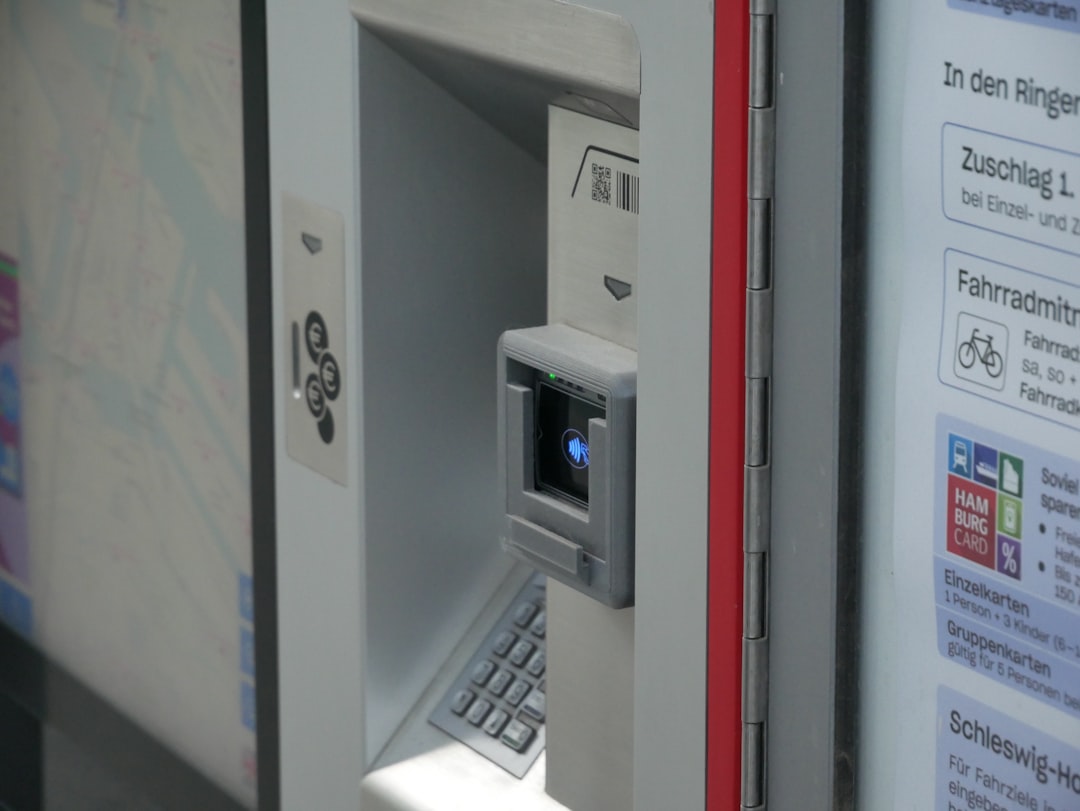
Understanding Confidential Digital Payments
In today's digital age, privacy has become a paramount concern for many individuals engaging in online transactions. Confidential digital payments refer to financial transactions conducted through digital platforms that prioritize user anonymity and data protection. These payment methods utilize advanced cryptographic techniques to ensure that sensitive information remains secure and inaccessible to unauthorized parties.
The rise of cryptocurrencies has significantly contributed to the development of confidential digital payment systems. Unlike traditional banking methods, which often require extensive personal information, many digital payment solutions offer users the ability to transact without revealing their identity. This level of privacy is particularly appealing to those who value their financial autonomy and wish to protect their personal data from potential breaches or misuse.
The Importance of Privacy in Digital Transactions
As our lives become increasingly interconnected through technology, the need for secure and private digital transactions has never been more critical. Confidential digital payments offer several key benefits that address these concerns:
- Protection against identity theft and fraud
- Enhanced financial privacy and autonomy
- Reduced risk of data breaches and information leaks
- Greater control over personal financial information
By utilizing confidential digital payment methods, users can significantly reduce their exposure to potential security threats and maintain greater control over their financial information. This increased privacy also extends to protecting users from targeted advertising and unwanted solicitations based on their spending habits.
Technologies Enabling Confidential Digital Payments
Several innovative technologies have emerged to facilitate confidential digital payments, each offering unique features and benefits:
Zero-Knowledge Proofs (ZKPs): This cryptographic method allows one party to prove to another that a statement is true without revealing any additional information beyond the validity of the statement itself. ZKPs are particularly useful in confidential digital payments as they enable transaction verification without exposing sensitive details.
Mimblewimble Protocol: This blockchain design focuses on enhancing privacy and scalability by using advanced cryptographic techniques to obscure transaction details while maintaining the integrity of the ledger. Cryptocurrencies like Grin and Beam utilize this protocol to offer confidential transactions.
Ring Signatures: This technology allows a user to sign a message on behalf of a group, making it impossible to determine which member of the group actually signed the message. Monero, a popular privacy-focused cryptocurrency, employs ring signatures to ensure transaction confidentiality.
Best Practices for Secure Digital Payments
To maximize the benefits of confidential digital payments and ensure optimal security, consider the following best practices:
- Use reputable and well-established digital payment platforms with a proven track record of security and privacy.
- Regularly update your software and applications to protect against known vulnerabilities.
- Utilize strong, unique passwords and enable two-factor authentication whenever possible.
- Be cautious when sharing personal information online and only provide necessary details for transactions.
- Consider using a virtual private network (VPN) to further enhance your online privacy.
- Stay informed about the latest developments in digital payment security and privacy technologies.
The Future of Confidential Digital Payments
As technology continues to evolve, we can expect to see further advancements in confidential digital payment solutions. Emerging technologies such as quantum cryptography and decentralized finance (DeFi) platforms are likely to play a significant role in shaping the future of secure digital transactions.
Governments and regulatory bodies are also beginning to recognize the importance of privacy in digital payments, leading to the development of new policies and frameworks to protect consumer rights. However, this increased focus on privacy may also result in stricter regulations and compliance requirements for digital payment providers.
Ultimately, the future of confidential digital payments will depend on striking a balance between privacy, security, and regulatory compliance. As users become more aware of the importance of financial privacy, the demand for secure and confidential digital payment solutions is likely to continue growing, driving further innovation in this space.