
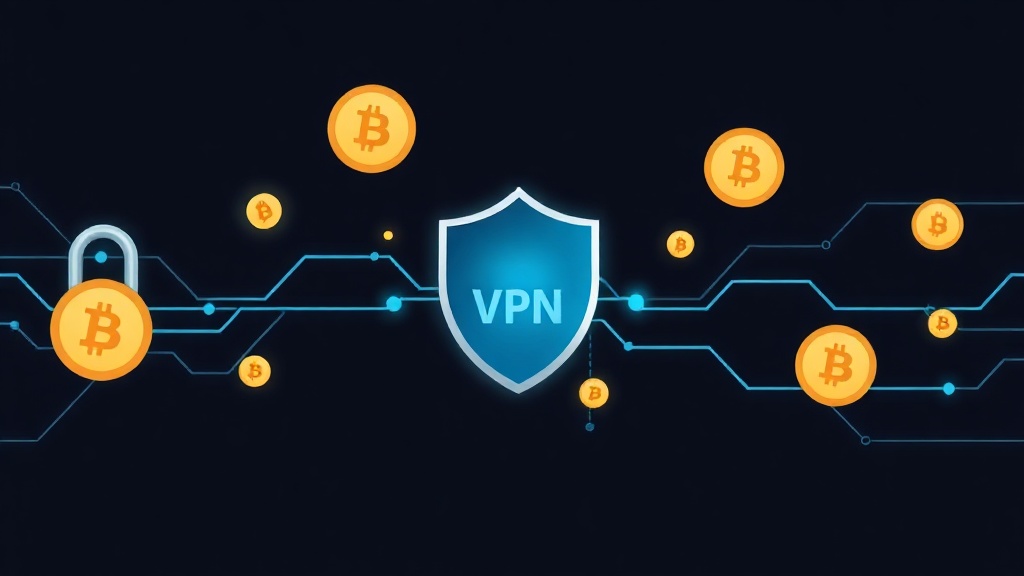
Why Privacy Matters in Cryptocurrency Transactions
Cryptocurrency offers financial freedom, but privacy remains a critical concern. While blockchain transactions are pseudonymous, they can still be traced with advanced tools. Hackers, ISPs, and even governments may monitor your activity, exposing sensitive data. A VPN encrypts your internet connection, masking your IP address and location, ensuring your crypto dealings stay confidential. Without this layer of protection, your transactions could become a target for malicious actors.
How VPNs Enhance Crypto Security
VPNs act as a shield by encrypting all data transmitted between your device and the internet. This prevents third parties from intercepting your crypto wallet addresses, transaction amounts, or private keys. Additionally, VPNs bypass geo-restrictions, allowing access to global exchanges while maintaining anonymity. For instance, using a VPN while trading on platforms like Binance or Coinbase adds an extra layer of security against DDoS attacks and IP leaks.
Choosing the Right VPN for Crypto Use
Not all VPNs are created equal. Opt for providers with a strict no-logs policy, military-grade encryption (AES-256), and support for Tor networks. Recommended options include NordVPN, ExpressVPN, and Surfshark. Ensure the VPN supports multiple devices and offers kill switch functionality to prevent data leaks if the connection drops. Avoid free VPNs, as they often compromise security by selling user data or injecting ads.
Practical Tips for Secure Crypto Transactions
- Use a Dedicated Device: Conduct crypto transactions on a device solely for this purpose to minimize exposure.
- Enable Two-Factor Authentication (2FA): Pair your VPN with 2FA on exchanges for added security.
- Regularly Update Software: Keep your VPN, wallet, and operating system updated to patch vulnerabilities.
- Verify Exchange Reputation: Use well-established platforms with robust security protocols.
- Avoid Public Wi-Fi: Even with a VPN, public networks can pose risks. Use a trusted private connection.
Common VPN and Crypto Pitfalls to Avoid
Mistakes like using the same password across platforms or neglecting to enable the VPN’s kill switch can undermine security. Also, be wary of phishing scams disguised as VPN or exchange updates. Always double-check URLs and avoid clicking suspicious links. Remember, a VPN isn’t a substitute for good operational security—combine it with best practices for maximum protection.
Conclusion: Safeguarding Your Crypto Future
In the evolving world of cryptocurrency, privacy isn’t optional—it’s essential. By integrating a reliable VPN into your crypto routine, you significantly reduce risks while maintaining anonymity. Stay informed, adopt proactive measures, and ensure your digital assets remain secure in an increasingly monitored online landscape.