
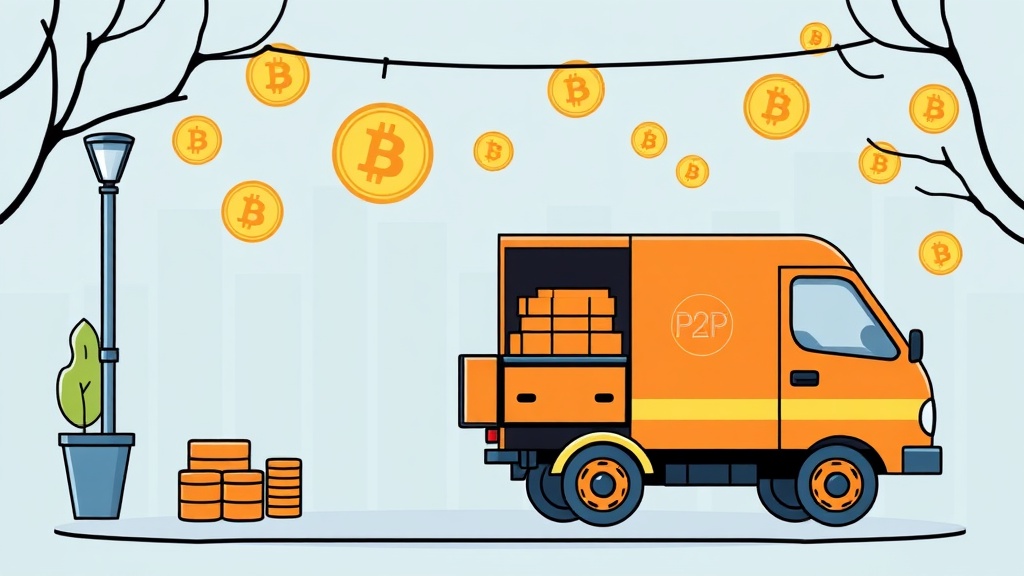
Understanding P2P Cash Delivery Platforms
Peer-to-peer (P2P) cash delivery platforms enable direct transactions between individuals without intermediaries. These services leverage encrypted networks to facilitate secure transfers of physical currency, often appealing to users prioritizing financial privacy. Unlike traditional banking systems, P2P models minimize data exposure, making them attractive for those wary of surveillance or data breaches.
How P2P Cash Delivery Works
Users connect through decentralized networks to arrange cash exchanges. Transactions typically involve:
- Verified identities via secure authentication
- Escrow services for dispute resolution
- In-person handoffs at neutral locations
Privacy Benefits for Cryptocurrency Enthusiasts
For crypto users, P2P cash delivery offers:
- No bank involvement, avoiding transaction tracing
- Offline exchanges to bypass blockchain analysis
- Protection against exchange hacks or regulatory scrutiny
Practical Tips for Safe Transactions
To mitigate risks:
- Use platforms with reputation systems and user reviews
- Meet in public, well-lit areas with security cameras
- Carry minimal cash and confirm amounts beforehand
- Consider hybrid models: exchange crypto for cash via trusted intermediaries
Future Trends in Private Cash Transfers
As privacy regulations tighten, P2P cash delivery may evolve with:
- Biometric verification for enhanced security
- Integration with privacy coins like Monero
- Decentralized identity solutions for anonymity
P2P cash delivery platforms bridge the gap between traditional currency and digital privacy needs. By understanding their mechanics and adopting cautious practices, users can navigate these systems securely while aligning with cryptocurrency’s privacy-first principles.