
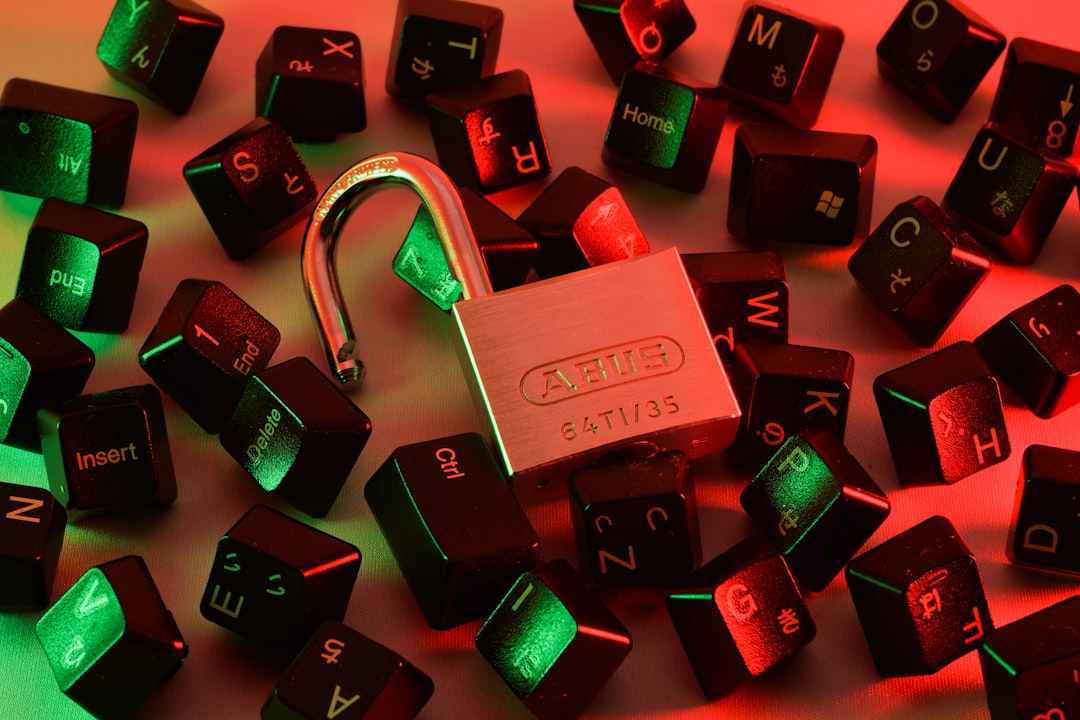
In the rapidly evolving world of digital assets, cryptocurrency theft has become an increasingly prevalent concern for investors and enthusiasts alike. As the value of cryptocurrencies continues to soar, so does the incentive for malicious actors to devise sophisticated methods to steal these digital assets. This article aims to provide you with a comprehensive understanding of cryptocurrency theft and equip you with practical strategies to safeguard your investments.
Understanding Cryptocurrency Theft
Cryptocurrency theft can occur through various means, including hacking, phishing, malware, and social engineering. Hackers often target cryptocurrency exchanges, wallets, and individual users to gain unauthorized access to digital assets. Phishing attacks involve tricking users into revealing their private keys or login credentials through fake websites or emails. Malware can infect devices and steal sensitive information, while social engineering exploits human psychology to manipulate individuals into divulging confidential data.
Securing Your Cryptocurrency Wallet
Your cryptocurrency wallet is the primary target for thieves, making its security paramount. There are two main types of wallets: hot wallets (connected to the internet) and cold wallets (offline storage). While hot wallets offer convenience for frequent transactions, they are more vulnerable to online attacks. Cold wallets, such as hardware wallets or paper wallets, provide enhanced security by keeping your private keys offline. Regardless of the type, always ensure your wallet software is up to date and use strong, unique passwords.
Best Practices for Cryptocurrency Security
Implementing robust security measures is crucial to protect your digital assets. Here are some essential practices to follow:
- Use two-factor authentication (2FA) for all your cryptocurrency accounts and wallets.
- Regularly back up your wallet and store the backup in a secure, offline location.
- Be cautious of phishing attempts and never click on suspicious links or provide sensitive information to unverified sources.
- Keep your operating system, antivirus software, and cryptocurrency wallet applications updated to patch any vulnerabilities.
- Consider using a dedicated device for your cryptocurrency transactions to minimize the risk of malware infections.
Staying Vigilant Against Social Engineering
Social engineering attacks are becoming increasingly sophisticated, making it essential to stay vigilant. Be wary of unsolicited messages, emails, or phone calls claiming to be from cryptocurrency exchanges, wallet providers, or other trusted entities. Legitimate organizations will never ask for your private keys, passwords, or other sensitive information. Always verify the authenticity of any communication before taking action. Additionally, be cautious when sharing information about your cryptocurrency holdings on social media or public forums, as this can make you a target for thieves.
Conclusion
Protecting your cryptocurrency from theft requires a proactive and multi-layered approach. By understanding the various methods used by thieves, securing your wallet, implementing best practices, and staying vigilant against social engineering, you can significantly reduce the risk of falling victim to cryptocurrency theft. Remember, the responsibility of safeguarding your digital assets ultimately lies with you. Stay informed, stay cautious, and take the necessary steps to ensure the security of your cryptocurrency investments.