
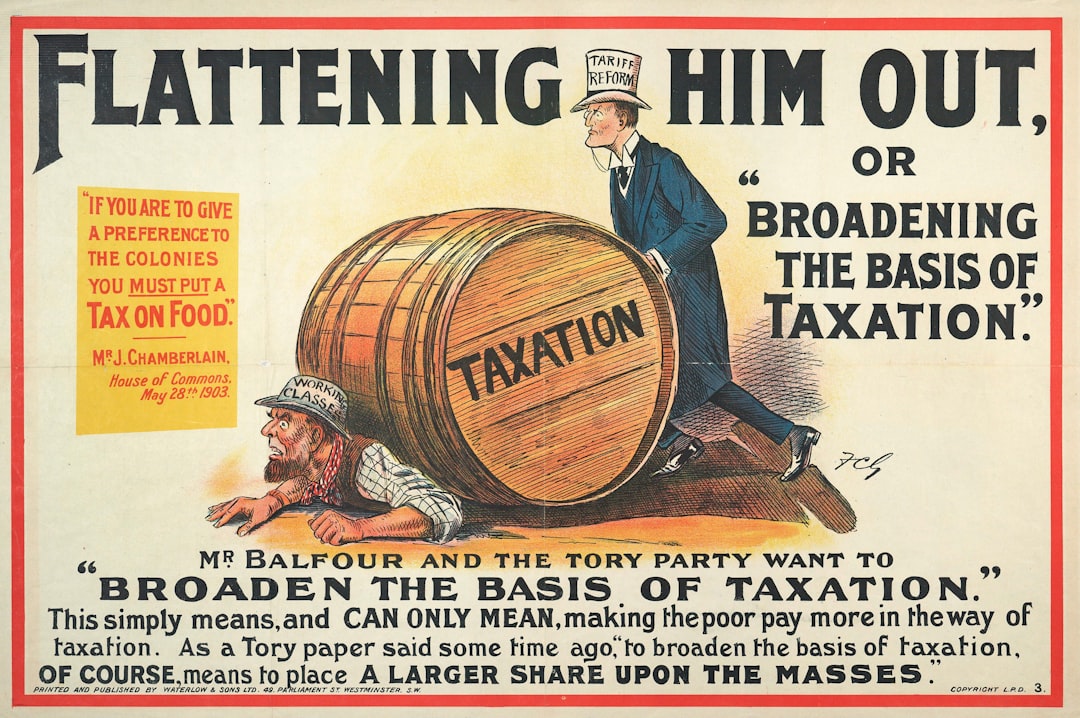
The Privacy vs. Compliance Dilemma in Cryptocurrency
Private mixers (also called tumblers or coin mixers) have become essential tools for cryptocurrency users seeking financial privacy. These services obscure transaction trails by pooling and redistributing funds among participants. While perfectly legal in most jurisdictions, their use raises complex questions about tax reporting obligations that every privacy-conscious crypto holder must understand.
How Tax Authorities View Private Mixers
Regulators like the IRS and FATF increasingly scrutinize mixer transactions due to potential misuse for illicit activities. Key considerations include:
- Red Flag Identification: Mixer transactions often trigger additional scrutiny in blockchain analysis
- Constructive Receipt Doctrine: You remain liable for taxes on mixed coins when you regain control
- Reporting Requirements: Many jurisdictions require disclosure of mixer use in tax filings
Your Tax Obligations When Using Mixers
Privacy doesn't exempt you from tax responsibilities. Critical compliance points:
- Income Recognition: Mixed coins received are treated as ordinary income based on fair market value at receipt
- Cost Basis Tracking: You must maintain records of original acquisition costs for mixed assets
- Capital Gains: Subsequent disposal of mixed coins triggers capital gains/loss calculations
- FBAR/FATCA: International mixer use may trigger foreign account reporting requirements
Practical Compliance Strategies for Mixer Users
Balancing privacy and compliance requires careful planning:
- Maintain Detailed Records: Document mixer transactions including dates, amounts, and wallet addresses
- Use Reputable Services: Choose mixers that provide transaction proofs without compromising privacy
- Separate Privacy & Investment Holdings: Keep mixed and unmixed assets in distinct wallets
- Consult Tax Professionals: Work with crypto-savvy accountants familiar with privacy tools
- Consider Alternatives: Explore privacy coins or decentralized mixers with better compliance frameworks
Future Regulatory Trends to Watch
The compliance landscape continues evolving:
- Potential mixer-specific reporting requirements in 2024-2025 tax years
- Increased blockchain forensic capabilities from tax authorities
- Possible distinctions between centralized vs decentralized mixer treatment
- Expanding international data sharing agreements targeting crypto privacy
Striking the Right Balance
While private mixers offer valuable financial privacy protections, responsible crypto citizenship requires transparent tax compliance. By implementing proper record-keeping practices and staying informed about regulatory developments, you can maintain privacy without risking penalties or audits. Remember: Privacy and tax compliance aren't mutually exclusive when approached strategically.
Disclaimer: This article provides general information only, not professional tax advice. Consult a qualified tax professional regarding your specific situation.