
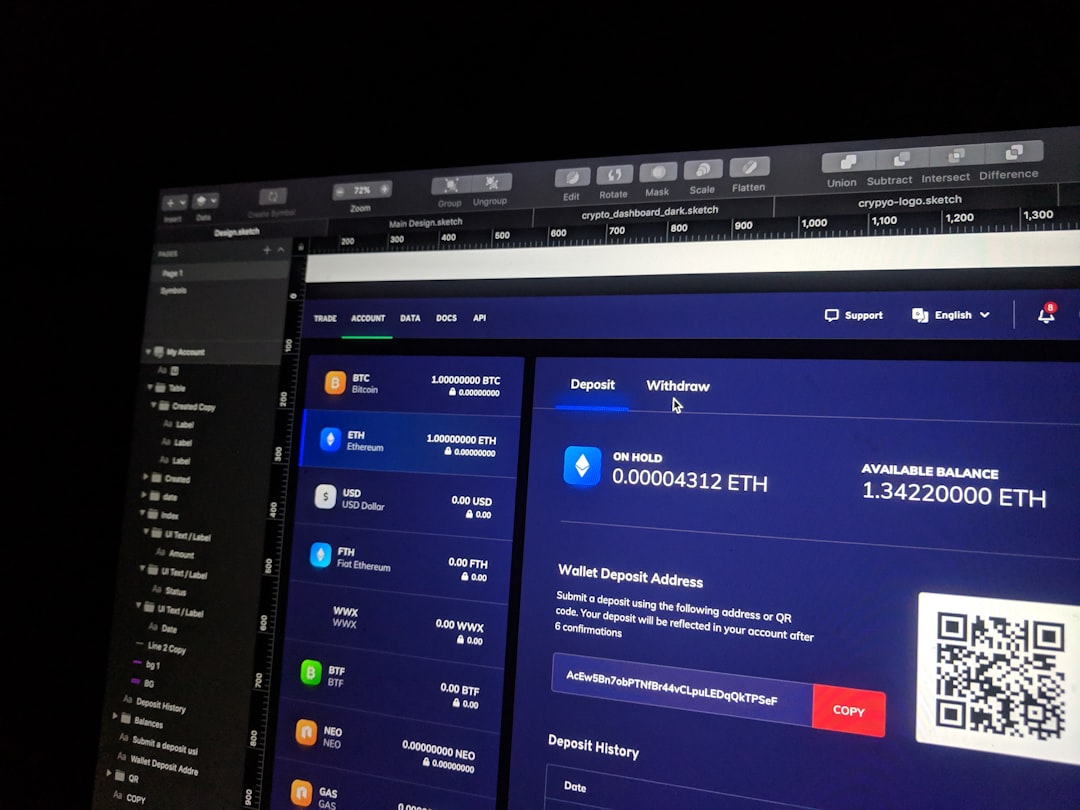
In the fast-paced world of cryptocurrency trading, front-running has emerged as a significant threat to fair market practices. This unethical behavior involves exploiting advance knowledge of pending transactions to gain an unfair advantage, often at the expense of other traders. As the crypto market continues to grow, understanding and preventing front-running has become crucial for maintaining a level playing field.
How Front-Running Works in Crypto Markets
Front-running in cryptocurrency markets typically occurs through two main methods: mempool manipulation and exchange insider trading. In mempool manipulation, bad actors monitor pending transactions on the blockchain and quickly execute their own transactions with higher fees to be processed first. This allows them to profit from predictable price movements caused by the original transaction. Exchange insider trading involves employees or affiliates using non-public information about large pending orders to trade ahead of their customers.
The Impact of Front-Running on Traders
The consequences of front-running can be severe for unsuspecting traders. When a front-runner detects a large buy order, they might purchase the asset first, driving up the price. The original trader then buys at an inflated price, while the front-runner sells at a profit. This practice not only erodes trust in the crypto ecosystem but also leads to direct financial losses for victims. In decentralized finance (DeFi), front-running can be particularly damaging, as it can manipulate token prices and disrupt liquidity pools.
Technological Solutions to Combat Front-Running
Several technological approaches have been developed to mitigate front-running risks. One effective method is the use of flash bots, which allow traders to submit transactions directly to miners without exposing them in the public mempool. Another solution is the implementation of commit-reveal schemes, where transaction details are hidden until they are executed. Some blockchains are also exploring time-locked transactions and zero-knowledge proofs to enhance privacy and prevent front-running. Additionally, decentralized exchanges are implementing anti-MEV (Miner Extractable Value) measures to protect users from predatory trading practices.
Best Practices for Traders to Protect Themselves
While technological solutions are important, traders can also take steps to protect themselves from front-running. Here are some key strategies:
- Use decentralized exchanges with built-in anti-front-running measures
- Break large orders into smaller ones to avoid detection
- Utilize limit orders instead of market orders when possible
- Consider using privacy-focused cryptocurrencies for certain transactions
- Stay informed about the latest front-running techniques and countermeasures
The Future of Front-Running Prevention
As the cryptocurrency industry matures, the fight against front-running is likely to intensify. Regulatory bodies are beginning to take notice, with some jurisdictions considering specific rules to address this issue. Blockchain developers are also working on more sophisticated privacy features and consensus mechanisms that make front-running more difficult. The development of Layer 2 solutions and cross-chain interoperability may also play a role in reducing front-running opportunities. Ultimately, a combination of technological innovation, regulatory oversight, and user education will be necessary to create a more secure and fair crypto trading environment.
Front-running remains a significant challenge in the cryptocurrency space, but awareness and proactive measures can help protect traders. By understanding how front-running works and implementing both technological and personal safeguards, crypto users can significantly reduce their vulnerability to this practice. As the industry continues to evolve, staying informed and adaptable will be key to navigating the complex landscape of cryptocurrency trading securely.