
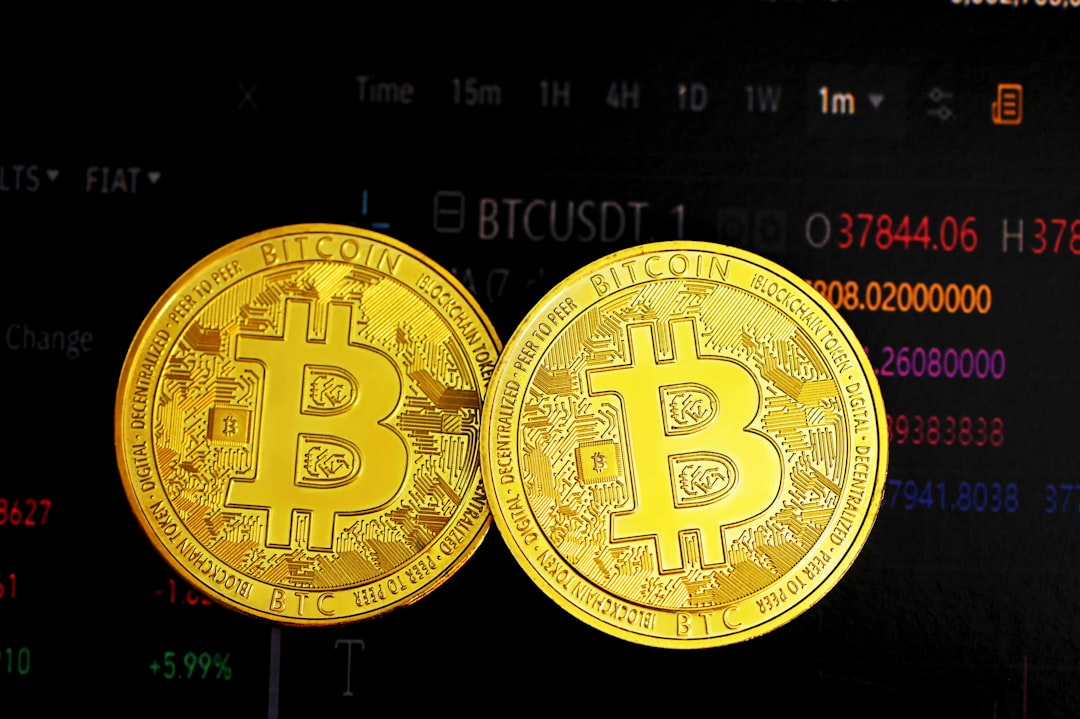
Understanding Oracle Price Manipulation
Oracle price manipulation has emerged as a significant concern in the cryptocurrency ecosystem, where malicious actors attempt to influence the price data that smart contracts rely on. These oracles serve as bridges between blockchain networks and real-world data, making them critical infrastructure for decentralized applications. When compromised, they can lead to substantial financial losses and undermine the integrity of DeFi protocols.
How Oracle Manipulation Works
Attackers employ various techniques to manipulate oracle prices, with flash loan attacks being among the most common. In these scenarios, bad actors take out massive, uncollateralized loans to artificially move market prices, then exploit smart contracts that rely on these manipulated prices. Another method involves targeting specific price feeds through low-liquidity trading pairs or exploiting vulnerabilities in price aggregation algorithms. Some sophisticated attackers even use multiple exchanges simultaneously to create artificial price discrepancies that trigger oracle updates.
Real-World Examples and Consequences
The cryptocurrency space has witnessed several high-profile oracle manipulation incidents. One notable case involved a DeFi protocol losing millions when attackers manipulated the price of a lesser-known token to drain funds from the system. These attacks not only result in direct financial losses but also erode trust in decentralized systems and can trigger broader market instability. The interconnected nature of DeFi means that a successful attack on one protocol can have cascading effects across multiple platforms that share similar oracle dependencies.
Protecting Against Oracle Manipulation
Developers and protocols have implemented various safeguards to mitigate oracle manipulation risks. These include using decentralized oracle networks that aggregate data from multiple sources, implementing time-weighted average price (TWAP) calculations instead of spot prices, and setting up circuit breakers that pause operations when suspicious price movements are detected. Some protocols also employ multiple layers of price verification and use historical data to identify anomalous price changes that might indicate manipulation attempts.
Best Practices for Users and Developers
For users: Always research the oracle mechanisms used by DeFi protocols before investing. Look for platforms that use reputable oracle providers and have transparent security measures in place. Consider the liquidity and trading volume of tokens involved, as lower liquidity often correlates with higher manipulation risks.
For developers: Implement robust oracle security measures, including multiple data sources, price deviation thresholds, and emergency shutdown capabilities. Regularly audit smart contracts and oracle integrations, and stay informed about emerging manipulation techniques. Consider using established oracle solutions with proven track records rather than building custom implementations.
Future of Oracle Security
The cryptocurrency industry continues to evolve its approach to oracle security. New technologies like zero-knowledge proofs and advanced cryptographic techniques are being explored to create more tamper-resistant price feeds. Additionally, the development of cross-chain oracle solutions and improved consensus mechanisms for price determination promises to make manipulation attempts increasingly difficult. As the DeFi ecosystem matures, the focus on robust oracle security will remain paramount to ensuring the long-term viability of decentralized financial systems.
Understanding and mitigating oracle price manipulation is crucial for anyone involved in cryptocurrency markets. By staying informed about the risks and implementing appropriate safeguards, both users and developers can contribute to a more secure and resilient DeFi ecosystem. As manipulation techniques become more sophisticated, so too must our defenses against them, making continuous education and adaptation essential in this rapidly evolving space.