
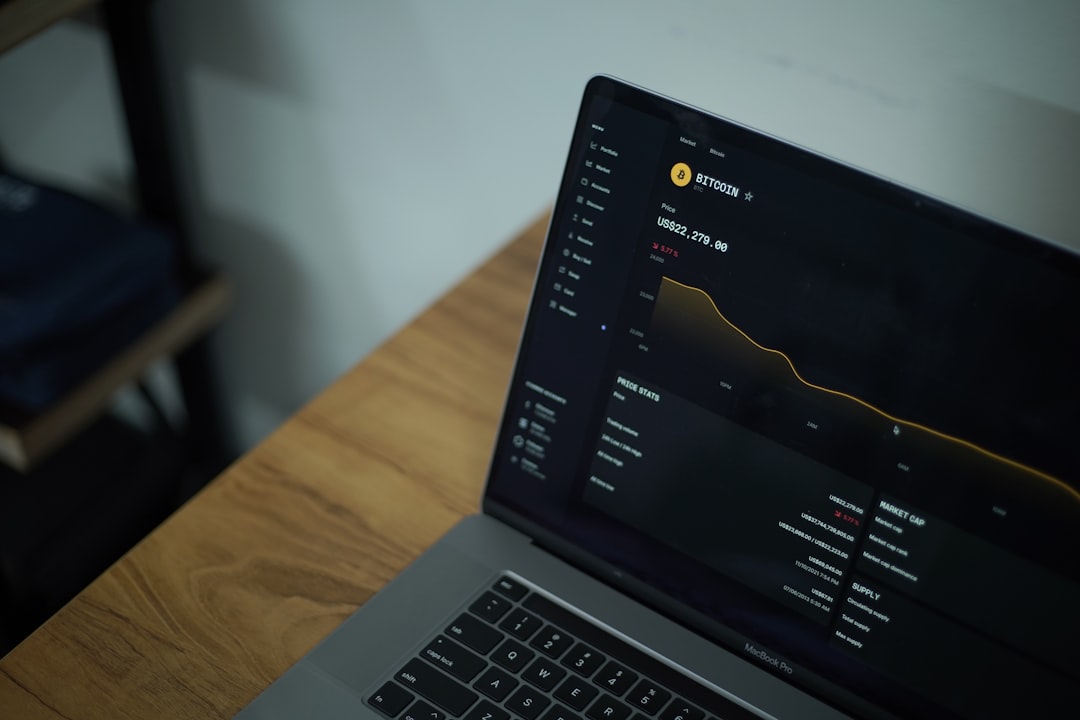
Why Cryptocurrency Privacy Matters More Than Ever
While blockchain transactions are pseudonymous, they leave a permanent public trail. Sophisticated chain analysis tools can trace funds back to their origin through pattern recognition. This creates privacy risks for legitimate users – from business competitors analyzing cash flows to hackers targeting large wallets. Online crypto mixers (also called tumblers) break these transactional links by pooling and redistributing coins.
How Crypto Mixers Work: Centralized vs. CoinJoin
Mixers use two primary methods to anonymize transactions:
- Centralized Mixers: Users send coins to a mixer's pool, which redistributes different coins after deducting fees (0.5-3%). Fast but requires trust in the operator.
- CoinJoin (Decentralized): Protocols like Wasabi Wallet combine multiple users' transactions into one batch, making individual flows untraceable. More transparent but slower.
Step-by-Step: Using an Online Mixer Safely
Follow this process to maximize privacy while minimizing risks:
- Research mixer reputation on privacy forums (Reddit's r/CryptoPrivacy, Dread)
- Verify the mixer's clearnet address matches its Tor onion service
- Send a small test transaction before mixing larger amounts
- Set custom delay times (24+ hours) and multiple output addresses
- Withdraw to a fresh wallet unlinked to your identity
Critical Risks and Mitigation Strategies
Even the best mixers can't guarantee 100% anonymity. Key dangers include:
- Exit Scams: Mixers disappearing with user funds – use services with long track records
- Timing Analysis: Correlating deposit/withdrawal times – enable randomized delays
- KYC Traps: Some mixers log IPs – always access via Tor/VPN
- Regulatory Flags: Mixed coins may be blacklisted by exchanges – use decentralized platforms
For enhanced security, combine mixers with privacy coins (Monero, Zcash) and avoid reusing wallet addresses.