
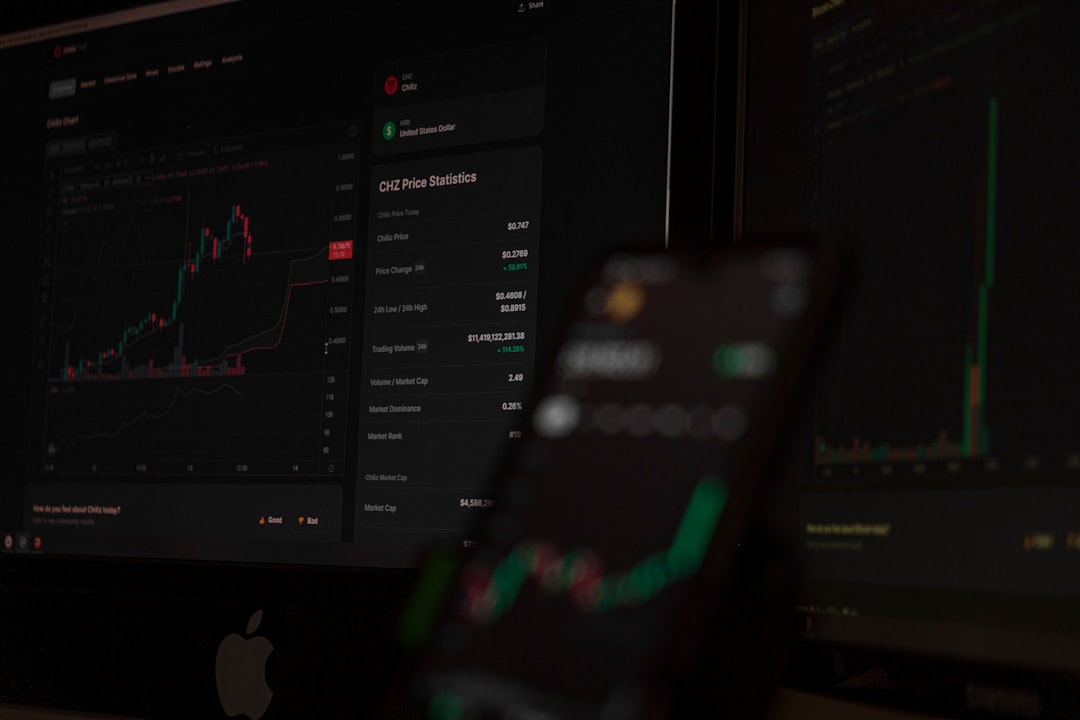
In the ever-evolving world of cryptocurrency, privacy has become a paramount concern for traders and investors alike. As blockchain technology continues to mature, so do the methods for tracking and analyzing transactions. This has led to an increased demand for private trading strategies that allow individuals to maintain their financial privacy while navigating the crypto markets.
Understanding the Importance of Privacy in Crypto Trading
Privacy in cryptocurrency trading is not just about hiding illicit activities; it's about protecting your financial information from prying eyes. In an age where data is currency, maintaining your trading privacy can safeguard you from potential hacks, targeted scams, and unwanted attention from competitors or regulatory bodies. Moreover, privacy-conscious trading can help you avoid front-running and other forms of market manipulation that can occur when your trading patterns are visible to others.
Essential Components of a Private Trading Strategy
A robust private trading strategy incorporates several key elements to ensure maximum anonymity and security. First and foremost, it involves the use of privacy-focused cryptocurrencies such as Monero, Zcash, or Dash. These coins offer built-in privacy features that make transactions more difficult to trace. Additionally, employing decentralized exchanges (DEXs) instead of centralized platforms can significantly reduce the amount of personal information you need to share.
Another crucial component is the use of multiple wallets and addresses. By spreading your assets across different wallets and generating new addresses for each transaction, you make it much harder for anyone to track your overall trading activity. This technique, known as coin mixing or tumbling, adds an extra layer of privacy to your transactions.
Advanced Techniques for Enhanced Privacy
For those seeking an even higher level of privacy, there are several advanced techniques to consider. One such method is the use of Tor or VPN services to mask your IP address when accessing exchanges or conducting transactions. This makes it extremely difficult for anyone to link your online activity to your physical location or identity.
Another sophisticated approach is the implementation of atomic swaps. These allow for direct peer-to-peer exchanges between different cryptocurrencies without the need for an intermediary. By eliminating the middleman, you reduce the risk of your transaction data being stored or leaked by a third party.
Practical Tips for Implementing a Private Trading Strategy
- Use hardware wallets for long-term storage of your cryptocurrencies to keep them offline and secure.
- Regularly update your privacy software and use the latest versions of privacy-focused cryptocurrencies.
- Be cautious of public Wi-Fi networks when accessing your trading accounts or conducting transactions.
- Consider using privacy coins for the majority of your trading activities, converting to more mainstream cryptocurrencies only when necessary.
- Educate yourself on the latest privacy-enhancing technologies and stay informed about potential vulnerabilities in the crypto space.
Conclusion
Implementing a private trading strategy in the cryptocurrency market requires a combination of the right tools, techniques, and mindset. By understanding the importance of privacy, utilizing privacy-focused cryptocurrencies and exchanges, and employing advanced techniques like coin mixing and atomic swaps, you can significantly enhance your trading anonymity. Remember, in the world of crypto, your privacy is your power. Stay informed, stay vigilant, and always prioritize the security of your digital assets.