
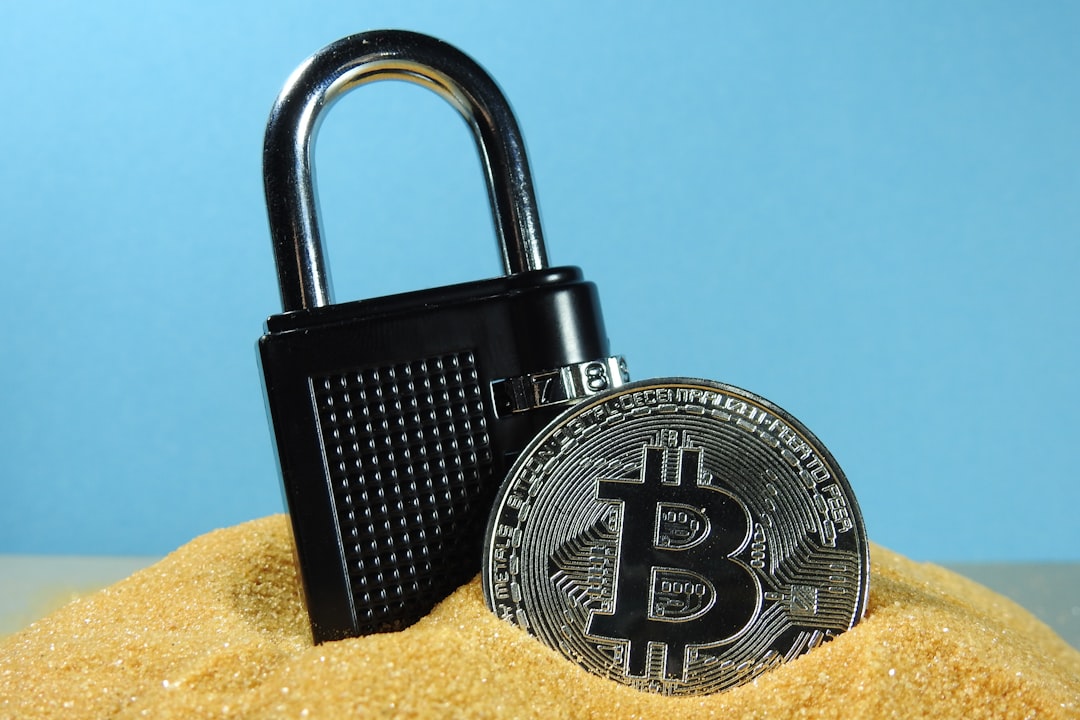
Understanding the Need for Privacy in Cryptocurrency
In the world of digital currencies, blockchain technology provides a transparent ledger where all transactions are recorded and visible to anyone. While this transparency offers security and verifiability, it also creates significant privacy concerns. Every transaction is permanently traceable, linking addresses to real-world identities through various methods. This has led many cryptocurrency users to seek ways to conduct hidden transfers that protect their financial privacy while still participating in the digital economy.
The desire for privacy in cryptocurrency transactions isn't about illicit activities alone. Many legitimate users want to protect their financial information from prying eyes, prevent targeted marketing, avoid discrimination based on their transaction history, or simply maintain the same level of financial privacy they would with traditional cash transactions.
Methods for Concealing Cryptocurrency Transactions
Several techniques have emerged to enhance privacy in cryptocurrency transfers. These methods range from simple practices to sophisticated technologies designed specifically for anonymity.
- CoinJoin Services: These services combine multiple transactions from different users into a single transaction, making it difficult to determine which inputs belong to which outputs. Popular CoinJoin implementations include Wasabi Wallet and JoinMarket.
- Mixing/Tumbling Services: These services take your cryptocurrency, mix it with coins from other users, and then send you back an equivalent amount from the mixed pool. This breaks the link between your original address and the destination address.
- Privacy-Focused Wallets: Specialized wallets like Samourai for Bitcoin or Exodus with privacy features offer built-in tools to enhance transaction anonymity through techniques like address rotation and stealth payments.
- Multi-Hop Transactions: Sending transactions through multiple intermediate addresses before reaching the final destination makes it significantly more challenging to trace the origin.
Privacy Coins: Built for Anonymity
While privacy-enhancing techniques can be applied to most cryptocurrencies, some coins are specifically designed with privacy as a core feature. These privacy coins utilize advanced cryptographic techniques to obscure transaction details.
Monero (XMR) is perhaps the most well-known privacy coin. It utilizes ring signatures (mixing your transaction with others), stealth addresses (creating unique one-time addresses for each transaction), and ring confidential transactions (hiding transaction amounts). This combination makes Monero transactions virtually impossible to trace back to a specific user.
Zcash (ZEC) offers another approach with its zero-knowledge proof system called zk-SNARKs. This allows users to prove they have the authority to spend a coin without revealing any information about the transaction itself, including the sender, receiver, and amount.
Dash provides privacy through its PrivateSend feature, which utilizes a CoinJoin-like process to mix user funds through a decentralized network of masternodes, breaking the link between transactions.
Practical Tips for Enhanced Cryptocurrency Privacy
For those looking to improve their cryptocurrency privacy, here are some practical tips to implement:
- Use a dedicated privacy-focused wallet or enhance your existing wallet's privacy features
- Generate new addresses for each transaction to prevent address linking
- Consider using a VPN or Tor network to mask your IP address when transacting
- Be mindful of on-chain and off-chain data that might compromise your privacy
- Avoid reusing addresses and maintain clean transaction practices
- Research and understand the privacy features of different cryptocurrencies before choosing which to use
- Consider the trade-offs between privacy and transaction speed/cost
- Keep your software and wallets updated to benefit from the latest privacy enhancements
Legal and Ethical Considerations
While cryptocurrency privacy is a legitimate concern, it's important to understand the legal and ethical implications. Privacy tools themselves are not illegal, but they can be misused for illicit purposes. Many jurisdictions require cryptocurrency exchanges to implement KYC (Know Your Customer) and AML (Anti-Money Laundering) procedures to prevent illegal activities.
The key is to use privacy tools responsibly and within legal boundaries. Privacy should be about protecting your financial information and preventing unwarranted surveillance, not about evading taxes or engaging in illegal activities. As the cryptocurrency space matures, we're likely to see more nuanced approaches to privacy that balance individual rights with regulatory requirements.
Conclusion
As cryptocurrency adoption continues to grow, so does the importance of privacy in digital transactions. Whether through specialized privacy coins, mixing services, or careful transaction practices, users have numerous options to enhance their privacy when transferring cryptocurrency.
The future of cryptocurrency privacy likely involves ongoing technological advancements alongside clearer regulatory frameworks. As privacy technologies evolve, users will need to stay informed about both the capabilities and limitations of different approaches.
Ultimately, achieving true privacy in cryptocurrency requires a combination of technical solutions, careful practices, and an understanding of the legal landscape. By implementing the strategies outlined in this guide, cryptocurrency users can better protect their financial privacy while participating in the digital economy.