
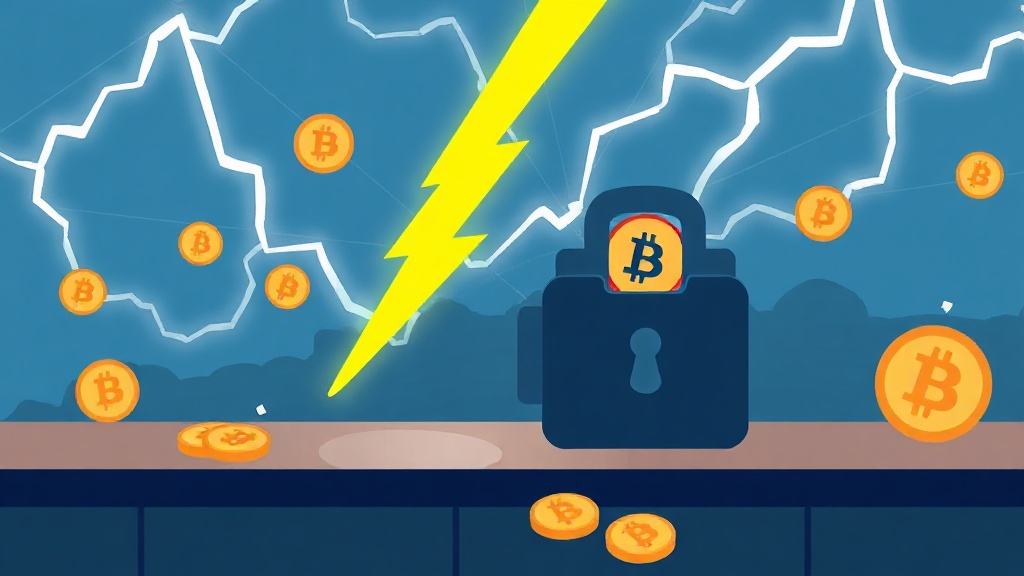
Understanding Lightning Network Channel Jamming
The Lightning Network, a second-layer solution for Bitcoin, enables fast and low-cost transactions. However, its reliance on off-chain channels introduces unique vulnerabilities, including channel jamming—a tactic where malicious actors monopolize channels to disrupt network functionality. This practice undermines the Lightning Network’s efficiency and poses risks to user privacy and transaction reliability.
How Channel Jamming Works
Channel jamming occurs when an attacker opens multiple channels with a single node, consuming its channel capacity. By doing so, they prevent legitimate users from establishing connections, effectively blocking transactions. This exploits the network’s design, which prioritizes channel availability over fairness. For instance, an attacker might open 100 channels with 1 BTC each, leaving no room for others to transact with that node.
Impact on Privacy and Network Integrity
Channel jamming threatens privacy by enabling surveillance. If an attacker controls key channels, they can monitor or intercept transactions, compromising user anonymity. Additionally, it destabilizes the network by creating bottlenecks, forcing users into suboptimal routes or higher fees. Over time, this could erode trust in Lightning as a scalable solution.
Mitigation Strategies for Users
To counter jamming, users should diversify their channel partners and avoid over-reliance on a single node. Tools like route hints and channel monitoring can help identify suspicious activity. Operators should implement rate limits on channel openings and adopt anti-jamming protocols. Community-driven initiatives, such as watchtower services, also enhance resilience by detecting and reporting malicious behavior.
Practical Tips for Lightning Users
- Rotate channels regularly to avoid dependency on a single node.
- Use privacy-focused wallets with built-in anti-jamming features.
- Monitor channel health via analytics tools to spot unusual activity.
- Support network upgrades that prioritize fairness and scalability.
Conclusion: Securing the Future of Lightning
Channel jamming remains a critical challenge for the Lightning Network’s growth. By understanding its mechanics and adopting proactive measures, users and developers can mitigate risks. As the ecosystem evolves, prioritizing privacy, fairness, and technical innovation will ensure the network’s long-term viability as a decentralized payment solution.