
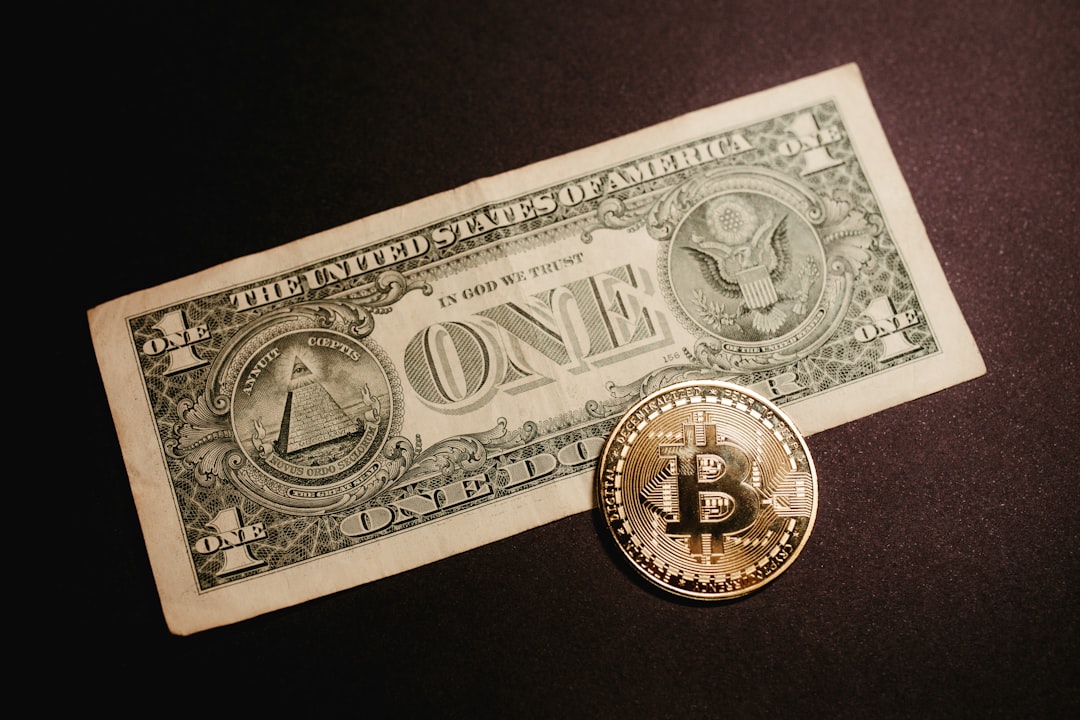
Understanding USDT and Its Role in Cryptocurrency
USDT (Tether) is a stablecoin pegged to the US dollar, offering stability in the volatile crypto market. Its widespread adoption makes it a go-to choice for traders and investors seeking to avoid price fluctuations while maintaining liquidity. However, converting USDT back to fiat currency (e.g., USD, EUR) requires careful planning to ensure security and efficiency.
Why Convert USDT to Fiat?
While USDT’s stability is advantageous, holding it long-term carries risks, such as regulatory scrutiny or exchange-specific issues. Converting to fiat allows users to:
- Lock in value during market uncertainty.
- Avoid exchange withdrawal freezes.
- Access traditional financial systems for spending or investing.
Step-by-Step Guide to Converting USDT to Fiat
Follow these steps to safely exchange USDT for fiat:
- Choose a Reliable Exchange: Opt for platforms like Binance, Coinbase, or Kraken, which offer USDT-to-fiat trading pairs and robust security.
- Verify Your Account: Complete KYC (Know Your Customer) procedures to comply with regulations and enable withdrawals.
- Initiate the Trade: Navigate to the USDT/fiat trading pair, place a market or limit order, and execute the trade.
- Withdraw Fiat to Your Bank Account: Transfer funds to your linked bank account or e-wallet, factoring in withdrawal fees and processing times.
Security Best Practices
Protect your assets during conversion with these measures:
- Enable Two-Factor Authentication (2FA): Prevent unauthorized access to your exchange account.
- Use Cold Storage: Transfer USDT to a hardware wallet before trading to reduce hacking risks.
- Monitor Transaction Fees: Compare fees across exchanges to maximize profits.
Common Pitfalls to Avoid
Steer clear of these mistakes:
- Ignoring Regulatory Compliance: Ensure your exchange adheres to local laws to avoid legal issues.
- Falling for Scams: Verify URLs and avoid phishing attempts targeting crypto users.
- Overlooking Tax Implications: Report crypto transactions to tax authorities as required.
Conclusion: Balancing Privacy and Practicality
Converting USDT to fiat is a straightforward process when approached methodically. By prioritizing security, understanding fees, and staying informed about regulations, users can navigate the crypto-fiat transition smoothly. For those valuing privacy, consider using decentralized exchanges (DEXs) or privacy-focused wallets to minimize data exposure while maintaining control over your assets.