
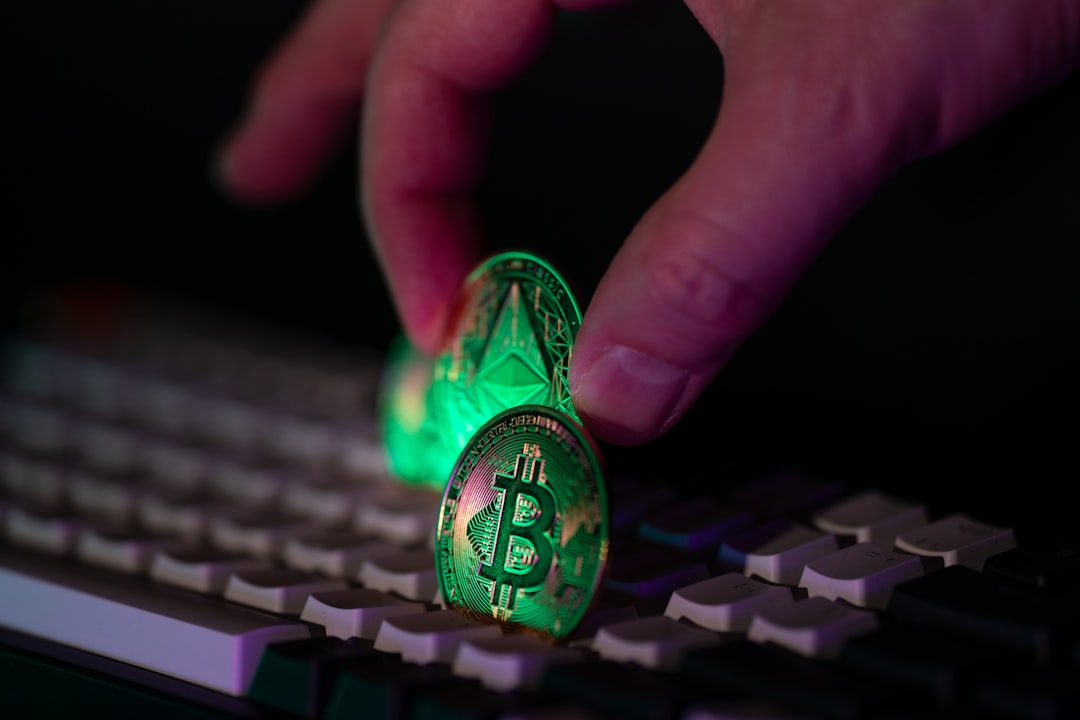
Why Privacy Matters in Cryptocurrency Transactions
In an era where digital footprints are constantly tracked, maintaining privacy in financial transactions has become increasingly important. While cryptocurrencies were initially designed to offer financial freedom and anonymity, many popular exchanges now require extensive identity verification. Understanding how to purchase cryptocurrency anonymously isn't just about hiding from authorities—it's about protecting your financial sovereignty and personal information from data breaches, targeted advertising, and unwanted surveillance.
Understanding the Privacy Spectrum in Crypto Purchases
Not all cryptocurrency transactions are created equal when it comes to privacy. The level of anonymity you can achieve depends on several factors, including the method of purchase, the platform you use, and the cryptocurrency itself. Bitcoin, despite its reputation, is actually pseudonymous rather than truly anonymous—all transactions are recorded on a public blockchain. However, there are privacy-focused alternatives like Monero, Zcash, and Dash that offer enhanced anonymity features. Understanding this spectrum is crucial for making informed decisions about your crypto purchases.
Methods for Anonymous Cryptocurrency Purchases
Several methods allow you to buy cryptocurrency without revealing your identity. Peer-to-peer (P2P) exchanges like LocalBitcoins or Paxful connect buyers directly with sellers, often allowing cash transactions or trades without ID verification. Bitcoin ATMs, particularly those that don't require KYC (Know Your Customer) verification, offer another avenue for anonymous purchases. Privacy-focused decentralized exchanges (DEXs) enable trading without centralized control or identity checks. Additionally, using prepaid cards purchased with cash to buy crypto on certain platforms can provide an extra layer of anonymity.
Practical Tips for Maintaining Cryptocurrency Privacy
Maintaining anonymity requires more than just the initial purchase method. Here are essential practices to enhance your crypto privacy:
- Use a new wallet address for each transaction to prevent address clustering analysis
- Consider using the Tor browser or a VPN to mask your IP address when making transactions
- Mix your coins using a trusted tumbling service to break the transaction trail
- Avoid reusing addresses and regularly move funds between wallets
- Be cautious about sharing wallet addresses on social media or public forums
- Consider using privacy coins for transactions where maximum anonymity is required
Legal and Ethical Considerations
While seeking financial privacy is a legitimate goal, it's important to understand the legal landscape surrounding anonymous cryptocurrency purchases. Many jurisdictions have implemented regulations requiring exchanges to verify user identities, primarily to prevent money laundering and terrorist financing. Before pursuing anonymous purchases, research the laws in your country and ensure you're not inadvertently breaking regulations. Remember that true anonymity doesn't exempt you from tax obligations—keep records of your transactions for proper reporting. The goal should be privacy, not evasion of legal responsibilities.
Conclusion: Balancing Privacy and Practicality
Achieving complete anonymity in cryptocurrency purchases requires effort, technical knowledge, and sometimes accepting less convenient methods. The most effective approach often involves a combination of strategies tailored to your specific needs and risk tolerance. Whether you're a privacy advocate, a business owner seeking confidentiality, or simply someone who values financial discretion, understanding these methods empowers you to make informed decisions. As the cryptocurrency ecosystem continues to evolve, new privacy-enhancing technologies and methods will emerge, making it increasingly possible to enjoy the financial freedom that crypto was designed to provide while maintaining your personal privacy.