
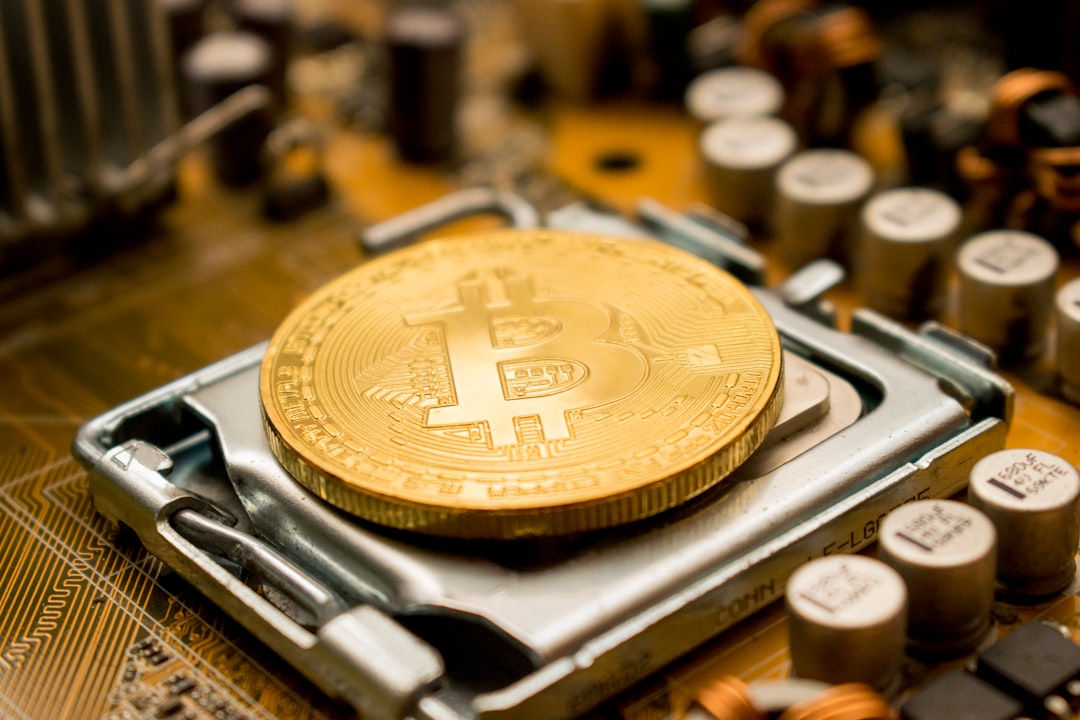
What is Grin?
Grin is a privacy-focused cryptocurrency that was launched in January 2019. It is based on the Mimblewimble protocol, which was first proposed in 2016 by an anonymous developer using the pseudonym Tom Elvis Jedusor (the French name of Voldemort from the Harry Potter series). Grin aims to provide users with a high degree of privacy and fungibility, while also being scalable and easy to use.
How Does Grin Work?
Grin uses a unique approach to privacy and scalability. Unlike many other cryptocurrencies, Grin does not use addresses or store transaction amounts on the blockchain. Instead, it uses a technique called "confidential transactions" to hide the amounts being transferred. This is achieved by using a form of cryptography called Pedersen commitments, which allow the network to verify that the inputs and outputs of a transaction add up correctly without revealing the actual amounts.
In addition to confidential transactions, Grin also uses a technique called "cut-through" to improve scalability. This allows the blockchain to remove unnecessary data from old transactions, reducing the overall size of the blockchain and making it more efficient to store and process.
Key Features of Grin
Grin has several key features that make it stand out from other cryptocurrencies:
- Privacy: Grin provides a high degree of privacy by default, without the need for additional features like mixing or coinjoin.
- Fungibility: Because all transactions are private, all coins are equal and interchangeable, which is a key feature of sound money.
- Scalability: Grin's use of cut-through and confidential transactions allows it to scale more efficiently than many other cryptocurrencies.
- Decentralization: Grin has no pre-mine, ICO, or founders' reward, and is developed by a decentralized community of contributors.
- ASIC-resistant: Grin uses the Cuckoo Cycle proof-of-work algorithm, which is designed to be resistant to ASIC mining, promoting a more decentralized mining ecosystem.
How to Use Grin
To use Grin, you will need to set up a wallet and acquire some coins. There are several wallet options available, including the official Grin++ wallet and the Ironbelly wallet for mobile devices. You can acquire Grin by mining it yourself, or by purchasing it on a cryptocurrency exchange that supports it.
Once you have some Grin in your wallet, you can send and receive payments just like with any other cryptocurrency. However, because of Grin's privacy features, you will not be able to see the transaction amounts or the addresses involved in the transaction.
Tips for Using Grin Safely and Effectively
- Keep your wallet secure: Make sure to use a strong password and keep your wallet software up to date to protect against potential security vulnerabilities.
- Be aware of the risks: As with any cryptocurrency, there are risks involved in using Grin. Make sure you understand these risks before investing or using the currency.
- Consider using a VPN: To further enhance your privacy when using Grin, consider using a virtual private network (VPN) to hide your IP address and location.
- Stay informed: Keep up to date with the latest developments in the Grin ecosystem, as the project is still relatively new and evolving rapidly.
The Future of Grin
Grin is still a relatively new and experimental cryptocurrency, and its long-term success is not yet certain. However, it has already gained a significant following among privacy advocates and cryptocurrency enthusiasts, and its unique approach to privacy and scalability has attracted a lot of attention from the wider cryptocurrency community.
As the project continues to develop and mature, it will be interesting to see how Grin evolves and whether it can gain wider adoption as a privacy-focused alternative to other cryptocurrencies. Regardless of its ultimate fate, Grin represents an important experiment in the ongoing quest to create more private, scalable, and decentralized forms of digital money.