
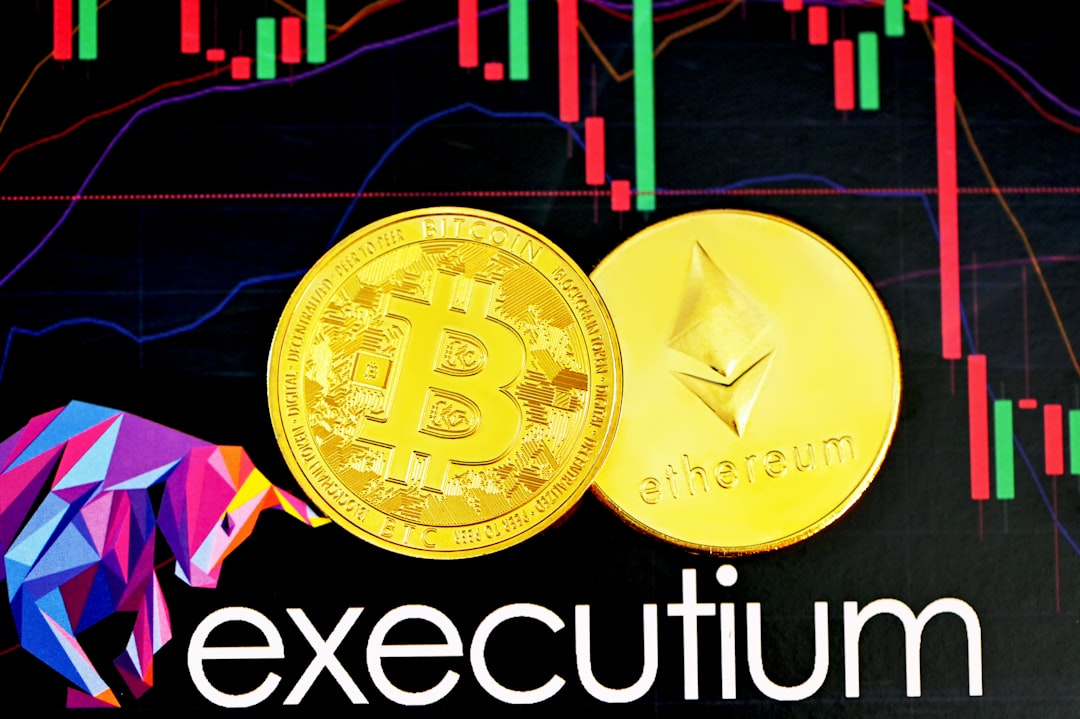
In the rapidly evolving world of cryptocurrency, privacy and control over one's digital assets have become paramount concerns for many investors and traders. This has led to the rise of non-custodial cryptocurrency exchanges, which offer a unique approach to trading digital currencies while maintaining user autonomy. In this article, we'll delve into the concept of non-custodial exchanges, their benefits, and how they differ from traditional centralized platforms.
What Are Non-Custodial Cryptocurrency Exchanges?
Non-custodial cryptocurrency exchanges, also known as decentralized exchanges (DEXs), are platforms that allow users to trade digital assets without the need for a central authority to hold their funds. Unlike traditional exchanges where users deposit their cryptocurrencies into the exchange's wallet, non-custodial exchanges enable peer-to-peer trading directly from users' personal wallets. This approach ensures that users maintain full control over their private keys and, consequently, their funds throughout the entire trading process.
Key Benefits of Non-Custodial Exchanges
The primary advantage of non-custodial exchanges is the enhanced security and privacy they offer. By eliminating the need to trust a third party with your funds, these platforms significantly reduce the risk of hacks, theft, or mismanagement of assets. Additionally, non-custodial exchanges often provide greater anonymity, as they typically don't require extensive personal information or KYC (Know Your Customer) procedures. This aligns with the original ethos of cryptocurrency – decentralization and financial sovereignty.
How Non-Custodial Exchanges Work
Non-custodial exchanges operate using smart contracts and blockchain technology. When a user wants to make a trade, the exchange's smart contract facilitates the transaction directly between the two parties' wallets. This process eliminates the need for an intermediary to hold or transfer funds. Some popular non-custodial exchanges use automated market makers (AMMs) to provide liquidity, allowing users to trade against a pool of tokens rather than directly with another person. This innovative approach enables continuous trading and often results in lower fees compared to traditional exchanges.
Challenges and Considerations
While non-custodial exchanges offer numerous benefits, they also come with their own set of challenges. The user interface and experience can be more complex for newcomers to cryptocurrency, as they require a basic understanding of wallet management and blockchain transactions. Additionally, the liquidity on some DEXs may be lower than on centralized exchanges, potentially leading to higher slippage for large trades. It's also worth noting that the regulatory landscape for non-custodial exchanges is still evolving, which may impact their operation in certain jurisdictions.
Tips for Using Non-Custodial Exchanges
- Always use a secure, non-custodial wallet to interact with DEXs
- Double-check smart contract addresses to avoid scams
- Start with small trades to familiarize yourself with the platform
- Be aware of gas fees on networks like Ethereum, which can be high during peak times
- Research the specific DEX you plan to use, including its security measures and user reviews
- Keep your private keys safe and never share them with anyone
Conclusion
Non-custodial cryptocurrency exchanges represent a significant step towards the decentralized future of finance. By offering enhanced privacy, security, and control over digital assets, these platforms align closely with the core principles of cryptocurrency. While they may present some challenges, particularly for newcomers, the benefits they offer in terms of financial sovereignty are substantial. As the technology continues to evolve and mature, non-custodial exchanges are likely to play an increasingly important role in the cryptocurrency ecosystem, providing users with more options to trade and manage their digital assets securely and privately.