
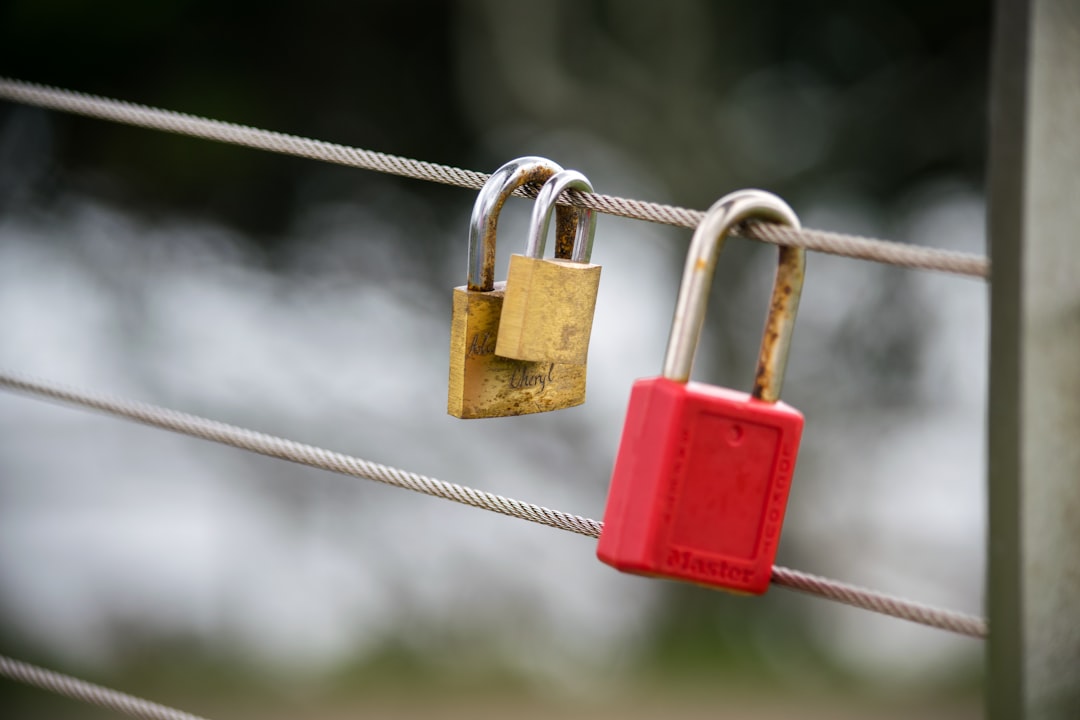
In today's increasingly digital world, protecting your financial assets has evolved beyond traditional banking security. Cryptocurrency and other digital assets offer new opportunities for financial freedom but also present unique privacy challenges. This comprehensive guide explores the critical aspects of digital asset privacy and provides actionable strategies to safeguard your wealth in the blockchain era.
Understanding Digital Asset Privacy
Digital asset privacy refers to the ability to control the visibility and accessibility of your cryptocurrency holdings and transactions. Unlike traditional banking systems where financial information is typically protected by institutions, blockchain technology operates on a transparent ledger where all transactions are publicly visible. This fundamental difference creates both opportunities and challenges for privacy-conscious individuals.
The importance of digital asset privacy cannot be overstated. In an era of increasing surveillance, data breaches, and targeted cyberattacks, maintaining privacy is not just about confidentiality—it's about security, financial autonomy, and protection against potential discrimination or exploitation. Strong privacy practices can shield you from unwanted attention, prevent theft, and preserve your financial sovereignty.
Common Privacy Risks in the Cryptocurrency Ecosystem
The transparent nature of blockchain technology means that every transaction is permanently recorded and traceable. This creates several privacy risks that users must be aware of:
- Transaction Analysis: Sophisticated tools can analyze transaction patterns to identify addresses, link them to real-world identities, and determine wealth concentration and spending habits.
- Exchange Vulnerabilities: Centralized exchanges often require extensive personal information (KYC/AML procedures) and have been frequent targets of hacks, putting users' assets and personal data at risk.
- Address Reuse: Using the same cryptocurrency address for multiple transactions creates a public history that can be analyzed to infer patterns, relationships, and potentially identify the owner.
- Network Surveillance: Internet service providers, governments, and malicious actors can monitor network traffic to associate IP addresses with transactions and compromise privacy.
Privacy-Enhancing Technologies and Solutions
Fortunately, the cryptocurrency ecosystem has developed numerous tools and technologies designed to enhance privacy and protect user anonymity:
Privacy Coins are cryptocurrencies specifically designed with privacy features built into their protocol. Monero, for example, uses ring signatures, stealth addresses, and confidential transactions to obscure transaction details, amounts, and participants. Zcash offers zero-knowledge proofs that allow users to prove ownership of funds without revealing any transaction details.
Mixing Services (or tumblers) are tools that break the link between addresses by mixing multiple transactions together. These services take inputs from various users, mix them in a pool, and then redistribute the funds to new addresses, making it difficult to trace the original source of the funds.
Hardware Wallets provide an additional layer of security by keeping your private keys offline. Devices like Ledger, Trezor, and KeepKey not only protect against online threats but also often include features for enhanced privacy, such as secure environments for generating new addresses for each transaction.
Practical Tips for Maintaining Digital Asset Privacy
Implementing robust privacy practices requires a multi-layered approach. Here are essential strategies to protect your digital assets:
- Use Privacy Coins: For transactions where privacy is paramount, consider using privacy-focused cryptocurrencies like Monero or Zcash instead of transparent options like Bitcoin.
- Generate New Addresses: Use a new address for each transaction to prevent address linking and maintain transaction privacy.
- Utilize VPNs and Tor: Route your internet traffic through a Virtual Private Network (VPN) or The Onion Router (Tor) network to obscure your IP address and location.
- Separate Devices and Wallets: Use dedicated devices or virtual machines for cryptocurrency activities to isolate your digital footprint from other online activities.
- Be Mindful of Exchange Usage: Minimize the use of centralized exchanges requiring KYC/AML verification, or use privacy-focused alternatives when possible.
- Practice OpSec: Implement strong security practices including multi-factor authentication, complex passwords, and regular software updates to protect against unauthorized access.
- Consider Non-Custodial Solutions: Use self-custody solutions rather than third-party services to maintain control over your private keys and personal data.
The Future of Digital Asset Privacy
As the cryptocurrency ecosystem continues to evolve, privacy technologies are becoming increasingly sophisticated. However, regulatory pressures and technological advancements are creating an ongoing cat-and-mouse game between privacy advocates and surveillance technologies. The future of digital asset privacy will likely involve a balance between regulatory compliance and individual privacy rights.
Emerging technologies like decentralized identity solutions, privacy-preserving smart contracts, and advanced zero-knowledge proofs promise to enhance privacy while maintaining the benefits of blockchain transparency. As these technologies mature, users will have more powerful tools to protect their digital wealth without compromising on functionality or security.
In conclusion, digital asset privacy is not just a technical concern—it's a fundamental aspect of financial freedom in the digital age. By understanding the risks, leveraging appropriate technologies, and implementing robust privacy practices, you can significantly enhance the security and confidentiality of your cryptocurrency holdings. As the saying goes in the crypto community: "Not your keys, not your coins—and not your privacy, not your freedom."