
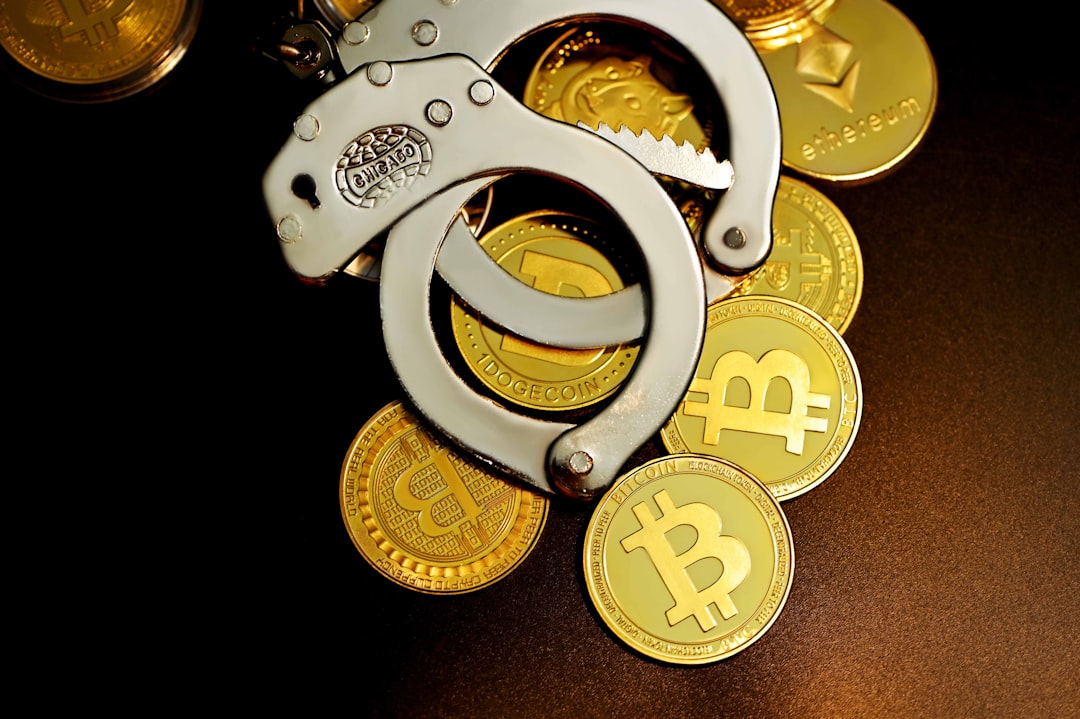
The decentralized finance (DeFi) ecosystem has exploded in popularity, offering users unprecedented control over their financial assets without traditional intermediaries. However, this revolutionary technology comes with significant security risks that every participant should understand. As DeFi protocols handle billions of dollars in assets, ensuring their security is paramount for the entire cryptocurrency ecosystem.
Understanding DeFi Security Vulnerabilities
DeFi protocols operate through smart contracts on blockchain networks, making them susceptible to unique vulnerabilities. Unlike traditional financial systems with centralized oversight, DeFi's decentralized nature means that once a vulnerability is exploited, there's often no way to reverse the damage. Common vulnerabilities include coding errors in smart contracts, flash loan attacks, oracle manipulation, and governance attacks where malicious actors gain control of protocol voting mechanisms.
The complexity of DeFi protocols creates multiple attack vectors. Many protocols interact with each other, creating a chain of dependencies where a vulnerability in one protocol can cascade through the entire ecosystem. Additionally, the rapid pace of DeFi development often prioritizes speed to market over thorough security audits, leaving protocols exposed to potential exploits.
Smart Contract Audits and Security Measures
Professional smart contract audits are the first line of defense for DeFi protocols. These audits involve comprehensive code reviews by security experts who identify potential vulnerabilities before the protocol goes live. However, audits aren't foolproof - they typically review known attack vectors but may miss novel exploitation techniques or logic errors that only become apparent during real-world usage.
Beyond audits, DeFi protocols implement various security measures including bug bounty programs, formal verification processes, and multi-signature requirements for critical operations. Many protocols also employ time-delayed transactions for governance proposals, allowing the community to identify and respond to malicious proposals before they're executed. Insurance protocols have emerged to provide coverage against smart contract failures, though the effectiveness of these solutions varies significantly.
Risk Management for DeFi Users
Users must take personal responsibility for their security when interacting with DeFi protocols. This includes thoroughly researching protocols before providing liquidity or staking assets, understanding the risks involved, and never investing more than you can afford to lose. Users should verify contract addresses through official channels to avoid phishing attacks and use hardware wallets for storing significant amounts of cryptocurrency.
Diversification across multiple protocols can help mitigate risk, as can staying informed about protocol developments and potential vulnerabilities. Many DeFi users follow security researchers and auditors on social media to receive timely warnings about emerging threats. It's also crucial to understand the difference between custodial and non-custodial services - with DeFi, you're typically responsible for your own security, unlike centralized exchanges that provide some level of protection.
The Future of DeFi Security
The DeFi security landscape continues to evolve as both attackers and defenders become more sophisticated. Emerging solutions include formal verification tools that mathematically prove smart contract correctness, decentralized insurance protocols that pool risk across the ecosystem, and cross-chain security protocols that monitor multiple blockchains simultaneously for suspicious activity.
Regulatory developments may also impact DeFi security, potentially introducing standards for smart contract development and auditing. However, this creates tension with DeFi's core principle of decentralization. The community is actively exploring solutions that balance security with the permissionless nature of DeFi, such as decentralized autonomous organizations (DAOs) that can respond to emergencies without centralized control.
Practical Security Tips for DeFi Participants
- Always verify smart contract addresses through official protocol channels before interacting
- Use hardware wallets for storing significant cryptocurrency holdings
- Start with small amounts when testing new protocols and gradually increase exposure
- Enable two-factor authentication on all exchange and wallet accounts
- Keep software and firmware updated to protect against known vulnerabilities
- Be cautious of yield farming opportunities that seem too good to be true
- Regularly monitor your positions and set up alerts for unusual activity
- Understand the tokenomics and governance structure of protocols you use
- Consider using DeFi insurance products for high-value positions
- Join community channels to stay informed about protocol updates and security issues
Conclusion
DeFi protocol security remains one of the most critical challenges facing the cryptocurrency ecosystem. While the technology offers revolutionary financial opportunities, it also presents significant risks that require both technical solutions and user education. As the space matures, we can expect continued improvements in security practices, but users must remain vigilant and informed. By understanding the risks, implementing proper security measures, and staying engaged with the DeFi community, participants can better protect their assets while contributing to the growth of this transformative technology.
The future of DeFi depends on building trust through demonstrated security and reliability. As protocols implement more robust security measures and users become more sophisticated in their approach to risk management, DeFi has the potential to deliver on its promise of open, accessible, and secure financial services for everyone. However, this future requires ongoing commitment from developers, auditors, users, and the broader cryptocurrency community to prioritize security at every level of the ecosystem.