
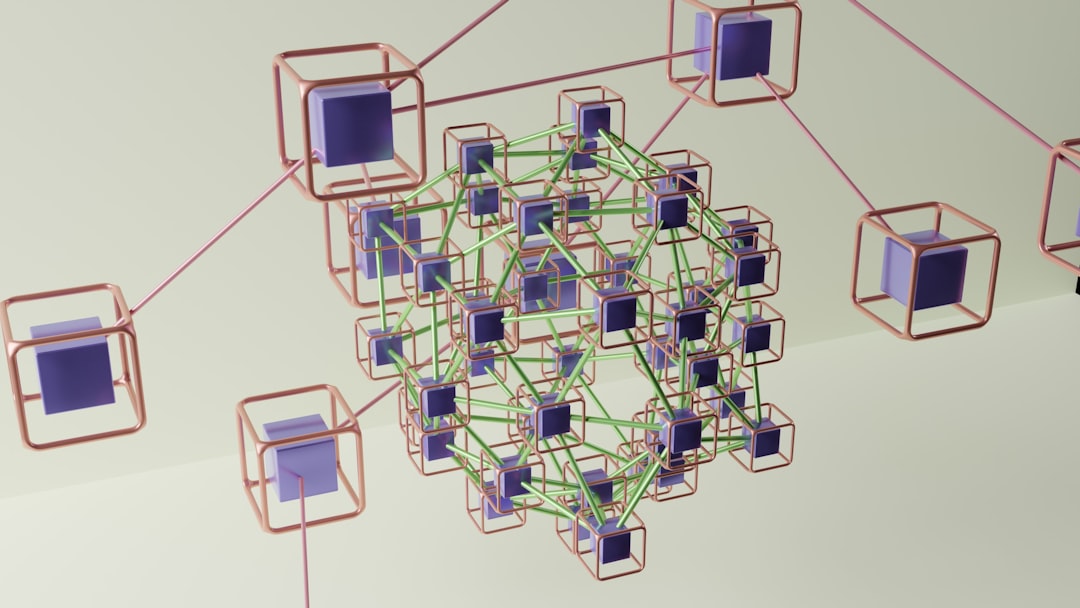
What Are Decentralized Mixer Protocols?
Decentralized mixer protocols are innovative solutions designed to enhance privacy in cryptocurrency transactions. Unlike traditional mixers that rely on centralized services, these protocols operate on blockchain networks, allowing users to obscure the origin and destination of their digital assets. By breaking the link between sender and receiver addresses, decentralized mixers help protect user anonymity and prevent transaction tracking.
How Decentralized Mixers Work
Decentralized mixer protocols utilize smart contracts and cryptographic techniques to shuffle and redistribute cryptocurrency among multiple users. The process typically involves several steps:
- Users deposit their cryptocurrency into a smart contract
- The protocol mixes the funds with those of other users
- Smart contracts redistribute the mixed funds to new addresses
- The original transaction trail is broken, enhancing privacy
This decentralized approach eliminates the need for a trusted third party, reducing the risk of theft or data breaches associated with centralized mixers.
Benefits of Using Decentralized Mixers
Decentralized mixer protocols offer several advantages over their centralized counterparts:
- Enhanced Privacy: By obscuring transaction trails, users can maintain financial privacy in an increasingly transparent blockchain ecosystem.
- Reduced Counterparty Risk: The absence of a central authority minimizes the risk of funds being stolen or misused.
- Trustless Operation: Smart contracts ensure that the mixing process is executed as programmed, without the need for trust in a third party.
- Resistance to Censorship: Decentralized nature makes it difficult for authorities to shut down or control the mixing service.
Popular Decentralized Mixer Protocols
Several decentralized mixer protocols have gained traction in the cryptocurrency community. Some notable examples include:
- Tornado Cash: A popular Ethereum-based mixer that uses zero-knowledge proofs to ensure privacy.
- Shuffle: A protocol that implements CoinJoin on the Bitcoin network, allowing multiple users to combine their transactions.
- Secret Network: A privacy-focused blockchain that includes built-in mixing capabilities for its native tokens.
Practical Tips for Using Decentralized Mixers
When utilizing decentralized mixer protocols, consider the following tips to maximize privacy and security:
- Research and choose reputable protocols with a proven track record of security and reliability.
- Use multiple mixers or combine mixing with other privacy techniques for enhanced anonymity.
- Be aware of the potential for increased transaction fees due to the mixing process.
- Understand the legal implications of using mixers in your jurisdiction, as regulations may vary.
- Consider using mixers in conjunction with privacy-focused cryptocurrencies like Monero or Zcash for added protection.
The Future of Decentralized Mixing
As concerns about financial privacy continue to grow, decentralized mixer protocols are likely to play an increasingly important role in the cryptocurrency ecosystem. Developers are constantly working on improving these protocols, focusing on enhancing privacy, reducing costs, and increasing usability. The integration of advanced cryptographic techniques and the potential for cross-chain mixing solutions may further revolutionize the field of crypto privacy in the coming years.
Conclusion
Decentralized mixer protocols represent a significant advancement in cryptocurrency privacy, offering users a trustless and secure way to obscure their transaction trails. By leveraging blockchain technology and smart contracts, these protocols provide enhanced anonymity without relying on centralized services. As the cryptocurrency landscape continues to evolve, decentralized mixers will likely remain a crucial tool for those seeking to protect their financial privacy in the digital age.