
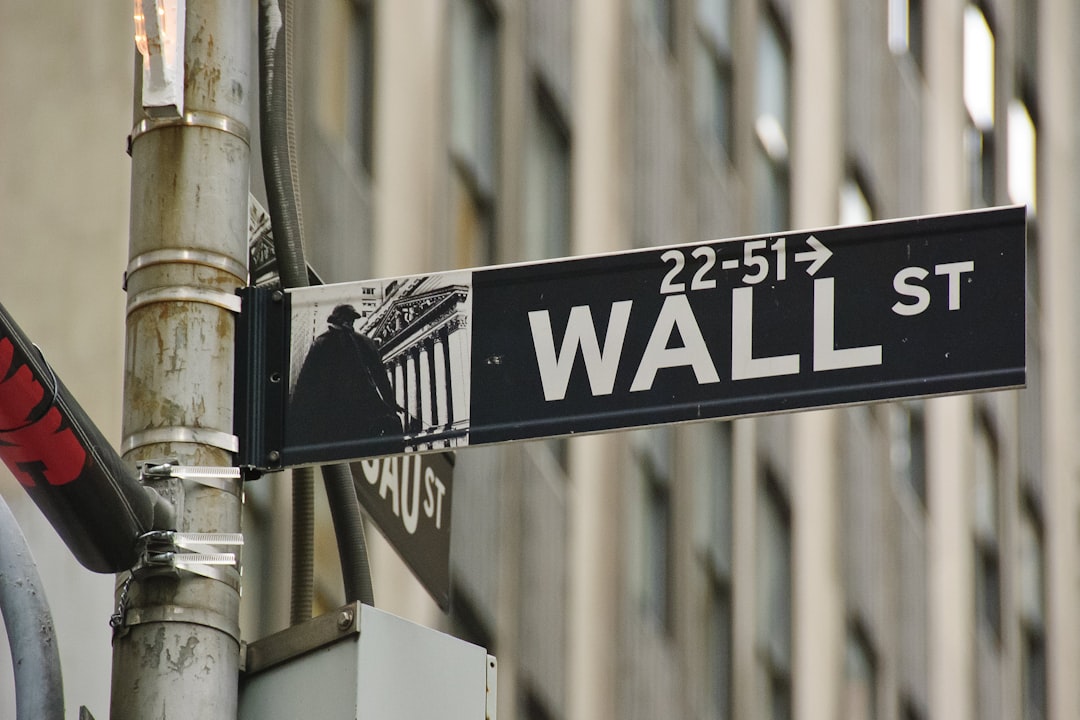
In the rapidly evolving world of digital assets, cryptocurrency exchanges play a pivotal role in facilitating the buying, selling, and trading of cryptocurrencies. However, as the crypto industry matures, regulatory scrutiny has intensified, making compliance a critical aspect for exchanges to consider. This article explores the importance of cryptocurrency exchange compliance, the challenges involved, and practical tips for navigating this complex landscape.
The Importance of Cryptocurrency Exchange Compliance
Compliance is essential for cryptocurrency exchanges to operate legally and maintain the trust of their users. As governments and financial regulators worldwide implement stricter rules, exchanges must adhere to various regulations, including Know Your Customer (KYC) and Anti-Money Laundering (AML) requirements. Compliance not only helps exchanges avoid legal penalties but also enhances their reputation and credibility in the market.
Key Compliance Challenges for Cryptocurrency Exchanges
Cryptocurrency exchanges face several compliance challenges, including:
- Navigating diverse and evolving regulatory frameworks across different jurisdictions
- Implementing robust KYC and AML procedures to verify user identities and monitor transactions
- Ensuring data privacy and security to protect user information
- Managing the risks associated with emerging technologies, such as decentralized finance (DeFi) and non-fungible tokens (NFTs)
Best Practices for Cryptocurrency Exchange Compliance
To effectively manage compliance, cryptocurrency exchanges should adopt the following best practices:
- Stay informed about the latest regulatory developments and seek legal counsel when necessary
- Implement comprehensive KYC and AML procedures, including identity verification, transaction monitoring, and risk assessment
- Invest in robust cybersecurity measures to protect user data and prevent unauthorized access
- Maintain transparent communication with users about compliance policies and procedures
- Regularly review and update compliance policies to ensure they align with changing regulations
The Future of Cryptocurrency Exchange Compliance
As the cryptocurrency industry continues to grow and mature, compliance will remain a critical focus for exchanges. Regulators are likely to introduce more stringent rules and guidelines, requiring exchanges to adapt and evolve their compliance strategies. Exchanges that prioritize compliance and invest in robust systems and processes will be better positioned to navigate the regulatory landscape and build trust with their users.
Practical Tips for Cryptocurrency Users
While exchanges bear the primary responsibility for compliance, cryptocurrency users can also take steps to protect themselves and ensure they are using compliant platforms:
- Research and choose reputable exchanges with strong compliance track records
- Provide accurate and complete information during the KYC process
- Be cautious of exchanges that offer anonymous or unregulated services
- Regularly monitor your account activity and report any suspicious transactions
- Stay informed about the latest regulatory developments and their potential impact on your investments
Cryptocurrency exchange compliance is a complex and evolving challenge that requires ongoing attention and adaptation. By understanding the importance of compliance, staying informed about regulatory requirements, and implementing best practices, exchanges can navigate this landscape successfully. As a user, choosing compliant exchanges and being vigilant about your own security can help ensure a safer and more secure cryptocurrency experience.