
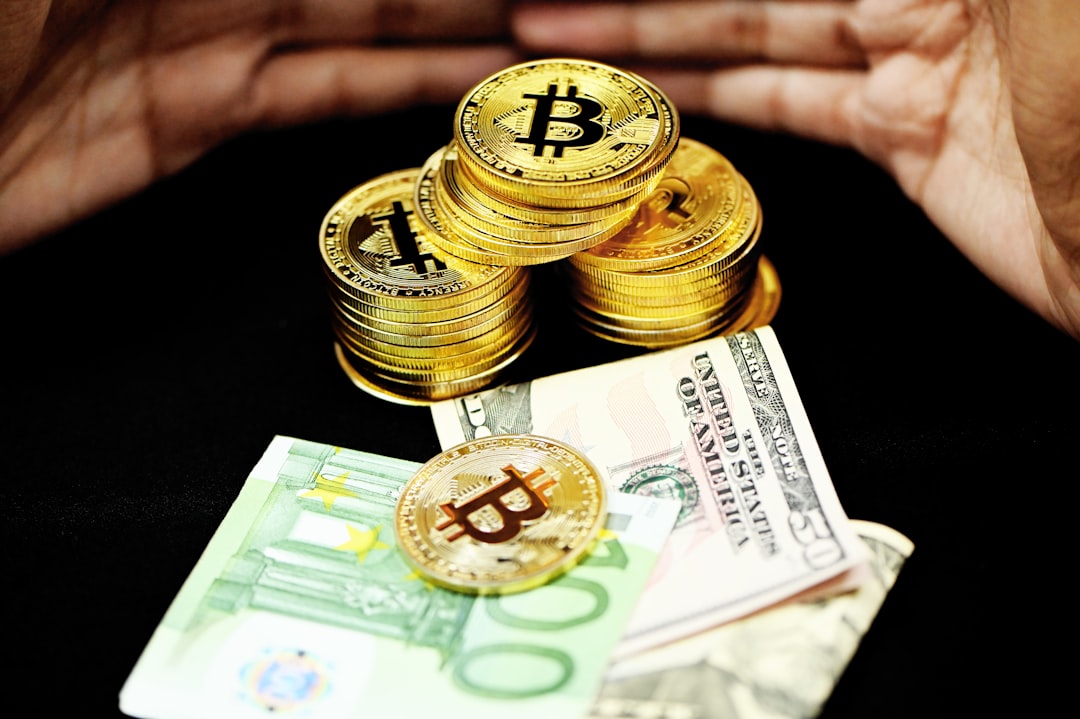
In the world of cryptocurrency, privacy and security are paramount concerns for users. One technique that has gained attention is cryptocurrency address swapping, also known as address substitution. This practice involves changing or masking the original cryptocurrency address to enhance privacy and protect against potential threats. In this article, we'll explore the concept of cryptocurrency address swapping, its benefits, risks, and best practices.
What is Cryptocurrency Address Swapping?
Cryptocurrency address swapping is the process of replacing or masking a user's original cryptocurrency address with a different one. This technique is often used to enhance privacy and security in cryptocurrency transactions. By swapping addresses, users can make it more difficult for third parties to track their transaction history or link their identity to specific addresses.
Benefits of Address Swapping
There are several potential benefits to using cryptocurrency address swapping:
- Enhanced privacy: By frequently changing addresses, users can make it more challenging for blockchain analysts to track their transaction patterns and link addresses to their identity.
- Improved security: Address swapping can help protect against address reuse attacks, where malicious actors attempt to exploit known addresses to gain unauthorized access to funds.
- Increased anonymity: By using different addresses for each transaction, users can maintain a higher level of anonymity in their cryptocurrency activities.
Risks and Considerations
While address swapping can offer privacy and security benefits, it's essential to be aware of the potential risks and considerations:
- Complexity: Implementing address swapping techniques can be complex and may require technical knowledge or the use of specialized tools.
- Compatibility issues: Some cryptocurrency wallets or exchanges may not support address swapping or may have limitations on the number of addresses that can be generated.
- Regulatory compliance: Depending on the jurisdiction, address swapping may be subject to regulatory scrutiny or may be considered a form of money laundering if used for illicit purposes.
Best Practices for Address Swapping
To effectively implement address swapping while minimizing risks, consider the following best practices:
- Use reputable wallets: Choose cryptocurrency wallets that offer robust address generation and management features, such as hierarchical deterministic (HD) wallets.
- Regularly generate new addresses: Create new addresses for each transaction or at regular intervals to maintain privacy and security.
- Keep track of addresses: Maintain a secure record of your addresses and their corresponding private keys to ensure you can access your funds when needed.
- Stay informed: Keep up-to-date with the latest developments in cryptocurrency privacy and security to adapt your practices accordingly.
Conclusion
Cryptocurrency address swapping is a technique that can enhance privacy and security in cryptocurrency transactions. By understanding the benefits, risks, and best practices associated with address swapping, users can make informed decisions about implementing this strategy in their cryptocurrency activities. As with any privacy-enhancing technique, it's crucial to stay informed, use reputable tools, and comply with applicable regulations to ensure a safe and secure cryptocurrency experience.