
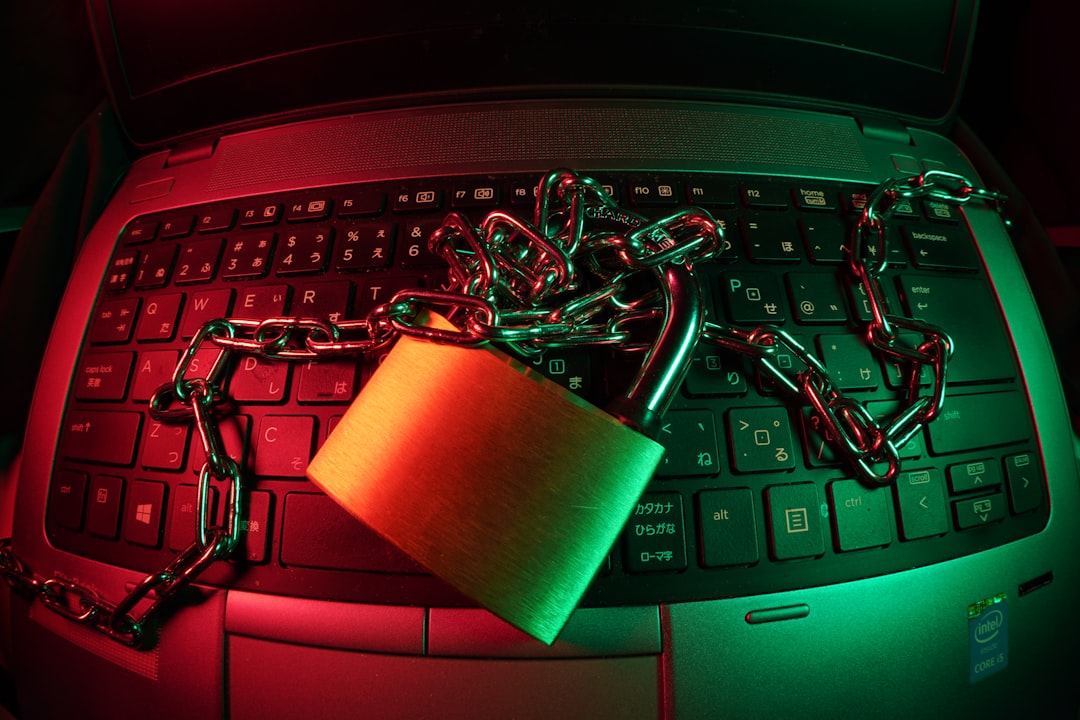
Understanding Crypto Mixers: Privacy Tool or Money Laundering Machine?
Crypto mixers (or tumblers) scramble transaction trails by pooling funds from multiple users and redistributing them. While some users seek legitimate financial privacy, regulators see potential for money laundering, tax evasion, and sanctions dodging. This tension creates a legal gray zone where intentions matter – but so do local laws.
The Global Legal Landscape: Where Mixers Are Banned vs. Tolerated
Legality varies wildly by jurisdiction:
- United States: FinCEN classifies mixers as "Money Transmitting Businesses" requiring registration. Unlicensed use risks felony charges.
- European Union: MiCA regulations (2024) impose strict KYC on crypto services, effectively banning anonymous mixers.
- Russia/China: All privacy tools are banned alongside most crypto activity.
- Decentralized Jurisdictions: Some countries lack clear laws, creating temporary loopholes.
Recent actions like the OFAC sanctioning Tornado Cash (2022) show even decentralized mixers aren't immune to crackdowns.
Hidden Risks Beyond Legal Trouble
Even where not explicitly illegal, mixer use triggers red flags:
- Exchange Freezes: Platforms like Coinbase block funds traced from mixers
- Chainalysis Surveillance: 72% of mixer traffic gets flagged by blockchain analysts
- Exit Scams: Fake mixers steal $200M+ annually
- Guilt by Association: Mixed coins might include illicit funds
One study found 23% of mixed Bitcoin came from darknet markets – creating forensic links to criminal activity.
Privacy Alternatives That Won't Land You in Court
Consider these legal options before risking a mixer:
- Privacy Coins: Monero (XMR) hides addresses/amounts by default
- Decentralized Exchanges: Swap coins peer-to-peer without KYC
- CoinJoin: Non-custodial mixing where you control keys (Wasabi/Samourai)
- Layer-2 Networks: Use Lightning Network for smaller private transactions
Remember: Privacy isn't illegal – but obscuring transactions specifically to break laws changes everything.
Practical Tips for Staying Compliant
- Research your country's latest crypto regulations quarterly
- Use privacy coins for legitimate anonymity needs
- Always test mixers with small amounts first
- Never mix funds connected to regulated exchanges
- Assume all transactions are permanently public
- Consult a crypto-savvy lawyer before large transactions
- Consider VPNs/Tor for IP privacy (legal in most countries)
Critical reminder: Using mixers to hide criminal proceeds guarantees charges. For legal privacy, prioritize non-custodial tools.
The future remains uncertain as FATF's "Travel Rule" pushes global KYC standards. While financial privacy advocates fight back, today's safest path is using compliant privacy tech – not tools already in regulators' crosshairs.