
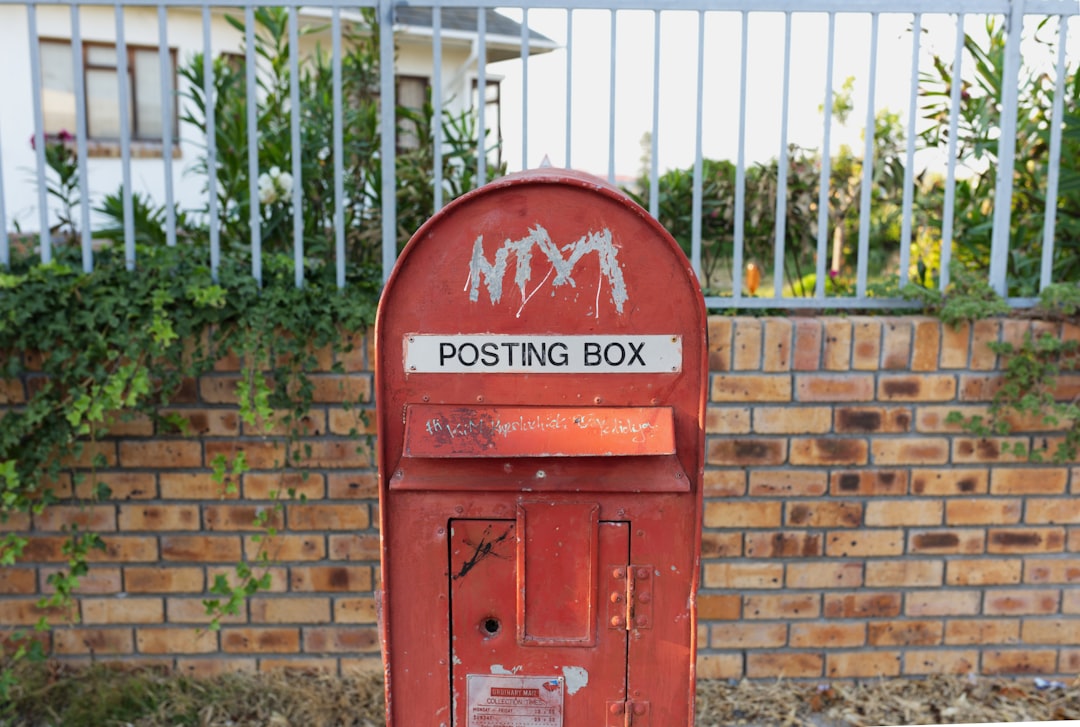
In an era where digital privacy is increasingly under threat, anonymous email services have emerged as a crucial tool for protecting personal information and maintaining online anonymity. These services allow users to communicate without revealing their true identity, IP address, or other identifying information. As concerns about data breaches, surveillance, and unwanted tracking continue to grow, understanding how anonymous email services work and their benefits has become essential for anyone who values their digital privacy.
How Anonymous Email Services Work
Anonymous email services operate on a simple principle: they act as intermediaries between the sender and recipient, masking the sender's true identity and location. When you send an email through these services, your message is routed through their servers, which strip away identifying information such as your IP address and replace it with generic sender details. Some services even offer temporary email addresses that self-destruct after a set period, ensuring that no trace of your communication remains.
The technology behind these services varies, but most employ encryption to protect the content of your messages. This means that even if someone intercepts your email, they won't be able to read its contents without the proper decryption key. Many anonymous email providers also implement additional security measures such as two-factor authentication and secure deletion protocols to further enhance user privacy.
Benefits of Using Anonymous Email Services
The primary benefit of using anonymous email services is, of course, enhanced privacy. By masking your identity and location, these services help protect you from unwanted surveillance, whether it's from corporations tracking your online behavior, governments monitoring communications, or malicious actors attempting to gather personal information for nefarious purposes.
Another significant advantage is the ability to avoid spam and unwanted marketing emails. Since your real email address isn't exposed, you won't receive unsolicited messages or have your information sold to third-party marketers. This is particularly useful when signing up for online services or making purchases where you're concerned about how your data might be used.
Anonymous email services also provide a layer of protection when communicating about sensitive topics. Whether you're a whistleblower, journalist, or simply someone who values their privacy, these services allow you to share information without fear of retribution or exposure. They can be especially valuable in countries with restrictive internet policies or for individuals dealing with sensitive personal matters.
Choosing the Right Anonymous Email Service
When selecting an anonymous email service, there are several factors to consider. First and foremost is the service's reputation for security and privacy. Look for providers that have a proven track record of protecting user data and that are transparent about their security practices. Many reputable services publish regular transparency reports and undergo independent security audits.
Another important consideration is the level of anonymity offered. Some services provide basic email masking, while others offer more comprehensive privacy features such as built-in VPNs or the ability to send self-destructing messages. Consider your specific needs and choose a service that aligns with your privacy requirements.
Ease of use is also a crucial factor. While some users might be comfortable with more complex security setups, others prefer services that offer a straightforward, user-friendly interface. Many anonymous email providers offer both web-based interfaces and mobile apps, making it easy to access your secure communications from anywhere.
Practical Tips for Using Anonymous Email Services
- Always use strong, unique passwords for your anonymous email accounts and enable two-factor authentication when available.
- Be cautious about the information you include in your emails, even when using anonymous services. Avoid sharing personal details that could potentially identify you.
- Consider using a VPN in conjunction with anonymous email services for an additional layer of privacy.
- Regularly review the privacy policies and terms of service of your chosen email provider to stay informed about how your data is handled.
- Be aware that while anonymous email services can protect your identity, they cannot guarantee complete anonymity if you're not careful about your online behavior.
Conclusion
Anonymous email services represent a powerful tool for protecting your digital privacy in an increasingly connected world. By understanding how these services work, their benefits, and how to choose the right provider, you can take control of your online communications and safeguard your personal information. While no system can provide absolute anonymity, using these services in conjunction with good security practices can significantly reduce your digital footprint and help you maintain your privacy online.
As we continue to navigate the complexities of digital privacy, anonymous email services will likely play an increasingly important role in how we communicate and share information online. Whether you're concerned about corporate surveillance, government monitoring, or simply want to keep your personal life private, these services offer a valuable solution for maintaining your anonymity in the digital age.