
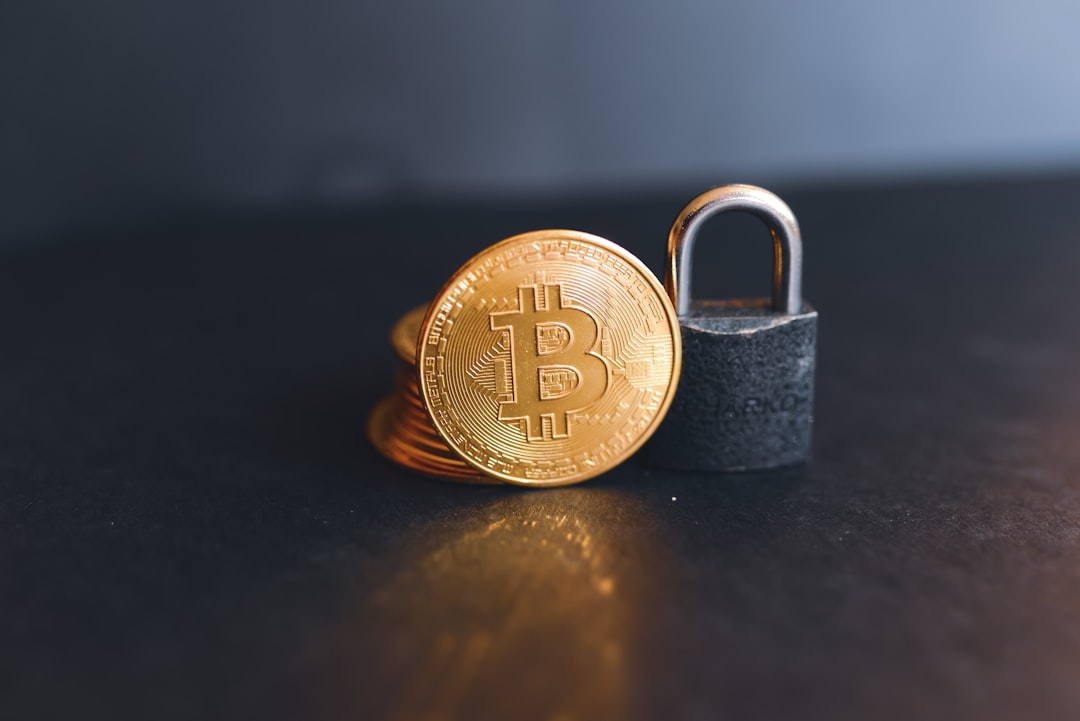
In an increasingly digital world, financial privacy has become a paramount concern for many cryptocurrency users. Anonymous cryptocurrency payments offer a way to conduct transactions without revealing your identity or financial details. This comprehensive guide explores the methods, benefits, and considerations of maintaining privacy in your crypto transactions.
Understanding Cryptocurrency Anonymity
Cryptocurrency anonymity refers to the ability to conduct transactions without linking them to your real-world identity. While Bitcoin and many other cryptocurrencies operate on public blockchains where transactions are visible, several techniques and specialized cryptocurrencies have emerged to enhance privacy. True anonymity in crypto payments involves obscuring both the sender's and receiver's identities, as well as the transaction amounts.
Privacy Coins and Anonymous Cryptocurrencies
Several cryptocurrencies are specifically designed with privacy as their core feature. Monero uses ring signatures and stealth addresses to hide transaction details, making it nearly impossible to trace payments. Zcash offers optional privacy through zero-knowledge proofs (zk-SNARKs), allowing users to shield transaction information. Dash provides PrivateSend functionality that mixes transactions to obscure their origin. These privacy-focused coins offer built-in anonymity features that make them ideal for users seeking confidential transactions.
Methods for Anonymous Crypto Transactions
Beyond privacy coins, several techniques can enhance anonymity in cryptocurrency payments. Using a VPN or Tor network masks your IP address when making transactions. Creating new wallet addresses for each transaction prevents address clustering and identity linking. Coin mixing services (though use with caution due to regulatory concerns) can break the transaction trail. Peer-to-peer exchanges that don't require KYC verification allow for more private purchasing of cryptocurrencies. Additionally, using hardware wallets that never connect to the internet can provide an extra layer of security for your private keys.
Practical Tips for Maintaining Crypto Privacy
- Use dedicated wallets for anonymous transactions separate from your main holdings
- Regularly rotate wallet addresses and avoid address reuse
- Consider using privacy coins for transactions requiring confidentiality
- Enable all available privacy features in your chosen cryptocurrency wallet
- Be cautious about sharing wallet addresses on social media or public forums
- Research and understand the privacy features of any exchange or service you use
- Keep your software and security measures up to date
Legal and Ethical Considerations
While anonymous cryptocurrency payments offer legitimate privacy benefits, it's important to understand the legal landscape. Many jurisdictions require exchanges to implement Know Your Customer (KYC) and Anti-Money Laundering (AML) procedures. Using privacy features isn't inherently illegal, but engaging in illicit activities remains prohibited regardless of the payment method. Always comply with local regulations and use anonymity features responsibly. The goal should be protecting your financial privacy, not evading legitimate legal obligations.
Conclusion
Anonymous cryptocurrency payments represent an important tool for protecting financial privacy in the digital age. Whether through privacy-focused coins like Monero and Zcash, or by implementing best practices for transaction anonymity, users have multiple options to safeguard their financial information. As cryptocurrency adoption grows, the importance of understanding and implementing privacy measures will only increase. By staying informed about available technologies and following recommended security practices, you can enjoy the benefits of cryptocurrency while maintaining control over your financial privacy.