
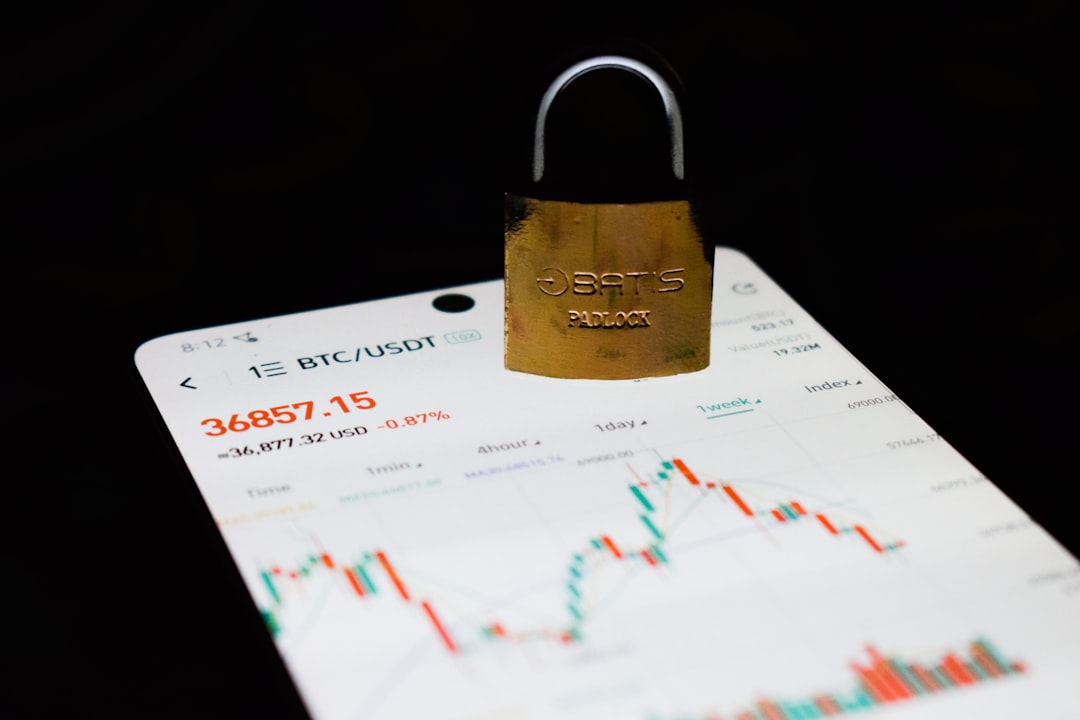
In the increasingly digital world of cryptocurrency, privacy has become a paramount concern for many users. While blockchain transactions are inherently pseudonymous, the trail of data can often be traced back to individuals. This has led to the rise of anonymous cryptocurrency exchanges, platforms designed to enhance user privacy and security. Whether you're a privacy advocate, a security-conscious trader, or simply someone who values financial discretion, understanding how to exchange cryptocurrencies anonymously is essential in today's digital landscape.
Understanding Anonymous Cryptocurrency Exchanges
Anonymous cryptocurrency exchanges are platforms that allow users to trade digital assets without requiring extensive personal information. Unlike traditional exchanges that implement Know Your Customer (KYC) procedures, these platforms prioritize user privacy through various mechanisms. The fundamental principle behind anonymous exchanges is to decouple your identity from your transactions, creating a shield between your personal information and your crypto activities.
These exchanges typically operate in one of two ways: either they don't require any personal information during registration, or they implement privacy-focused features like non-custodial wallets, decentralized trading, or advanced mixing technologies. The goal is to minimize the digital footprint left by your transactions, making it significantly more difficult for third parties to track your financial activities.
It's important to note that anonymous exchanges exist in a legal gray area in many jurisdictions. While privacy is a fundamental right, it can also be exploited for illicit activities. This has led to varying regulatory approaches worldwide, with some countries embracing privacy-focused technologies while others impose strict restrictions.
Popular Anonymous Exchange Platforms
The cryptocurrency ecosystem offers several platforms that cater to privacy-conscious users. These range from fully decentralized exchanges to hybrid models that combine elements of both centralized and decentralized systems.
Decentralized Exchanges (DEXs) like Uniswap, SushiSwap, and PancakeSwap represent one category of anonymous trading platforms. These platforms operate on smart contracts and don't require users to deposit funds to an intermediary. Instead, trades occur directly between users' wallets, maintaining a higher level of privacy. However, DEXs often have lower liquidity and can be more challenging for beginners to navigate.
Privacy-Focused Centralized Exchanges such as Bisq and Hodl Hodl offer a middle ground. These platforms still operate as traditional exchanges but implement innovative privacy measures. Bisq, for example, uses a peer-to-peer network and doesn't require KYC verification. Hodl Hodl utilizes an escrow system with a third arbiter to facilitate trades without holding user funds.
Privacy Coins like Monero (XMR), Zcash (ZEC), and Dash (DASH) are specifically designed with privacy features built into their protocols. These cryptocurrencies can be traded on various platforms that support them, offering an additional layer of anonymity through technologies like ring signatures, stealth addresses, and zero-knowledge proofs.
Privacy Techniques for Crypto Trading
Beyond choosing the right platform, several techniques can enhance your privacy when trading cryptocurrencies. These methods work in conjunction with anonymous exchanges to create a robust privacy strategy.
Coin Mixing or Tumblers are services that pool together multiple transactions and redistribute them, breaking the link between the sender and receiver. This process makes it significantly more challenging to trace the origin of funds. While effective, it's important to choose reputable mixing services, as some may keep logs of transactions or potentially steal funds.
Privacy Coins offer another layer of protection. As mentioned earlier, cryptocurrencies like Monero and Zcash are designed with privacy features that obscure transaction details. Using these coins for your trades can provide an additional shield against analysis and tracking.
Multiple Wallets can help compartmentalize your activities. By using separate wallets for different purposes or exchanges, you reduce the risk of linking your various transactions together. This approach creates a more fragmented digital footprint, making it harder for observers to build a comprehensive profile of your activities.
VPNs and Tor are essential tools for maintaining privacy when accessing cryptocurrency platforms. A VPN encrypts your internet connection and masks your IP address, while Tor routes your traffic through multiple servers, making it extremely difficult to trace your online activities. Using these tools in combination provides a strong defense against surveillance and tracking.
Risks and Considerations
While anonymous cryptocurrency exchanges offer significant privacy benefits, they also come with certain risks and considerations that users should be aware of.
Security Concerns are perhaps the most significant risk. Without KYC procedures, anonymous exchanges may have fewer safeguards against fraud and theft. The lack of regulatory oversight means that users have less recourse in case of disputes or platform failures. It's crucial to thoroughly research any platform before using it and to implement robust security measures on your end.
Regulatory Uncertainty represents another challenge. The legal status of anonymous exchanges varies widely across jurisdictions. In some countries, using these platforms may be legal, while in others, it could potentially lead to legal consequences. Staying informed about the regulatory environment in your region is essential to avoid unintended legal issues.
Liquidity Issues can also be a concern with some anonymous exchanges. Lower trading volumes may result in slippage and higher fees, making it more challenging to execute large trades efficiently. This is particularly true for decentralized exchanges and newer privacy-focused platforms.
Practical Tips for Anonymous Crypto Trading
To maximize your privacy and security when using anonymous cryptocurrency exchanges, consider the following practical tips:
- Research Thoroughly: Before using any anonymous exchange, investigate its reputation, security features, and user reviews. Look for platforms with a proven track record and strong security measures.
- Use Dedicated Hardware Wallets: Store your cryptocurrencies in hardware wallets like Ledger or Trezor rather than keeping them on exchanges. This reduces the risk of theft and gives you full control over your funds.
- Enable Two-Factor Authentication: Even on anonymous platforms, enable 2FA wherever possible to add an extra layer of security to your account.
- Practice OpSec: Implement strong operational security practices, including using unique passwords, avoiding public Wi-Fi for transactions, and being cautious about the information you share online.
- Start Small: When trying a new anonymous exchange, start with small transactions to test the platform's functionality and reliability before committing larger amounts.
- Diversify Your Approach: Don't rely on a single method or platform for all your privacy needs. Combine different techniques and platforms to create a more robust privacy strategy.
- Stay Informed: The cryptocurrency landscape is constantly evolving. Stay updated on new privacy technologies, regulatory changes, and best practices for maintaining anonymity.
Conclusion
Anonymous cryptocurrency exchanges offer a valuable solution for users who prioritize privacy in their digital financial activities. By understanding how these platforms work, implementing appropriate privacy techniques, and being aware of the associated risks, you can significantly enhance your anonymity when trading cryptocurrencies.
As the cryptocurrency ecosystem continues to evolve, we can expect to see even more sophisticated privacy solutions emerge. Whether you're a casual trader or a dedicated privacy advocate, the tools and platforms available today provide a solid foundation for conducting anonymous cryptocurrency transactions.
Remember that privacy is an ongoing process, not a one-time setup. By staying vigilant, continuously educating yourself, and adapting to new developments, you can maintain a strong level of anonymity in your cryptocurrency activities while navigating the complex intersection of privacy, security, and regulation in the digital age.